Why the potatoes beside the roller door turned green
• Hari Yellina
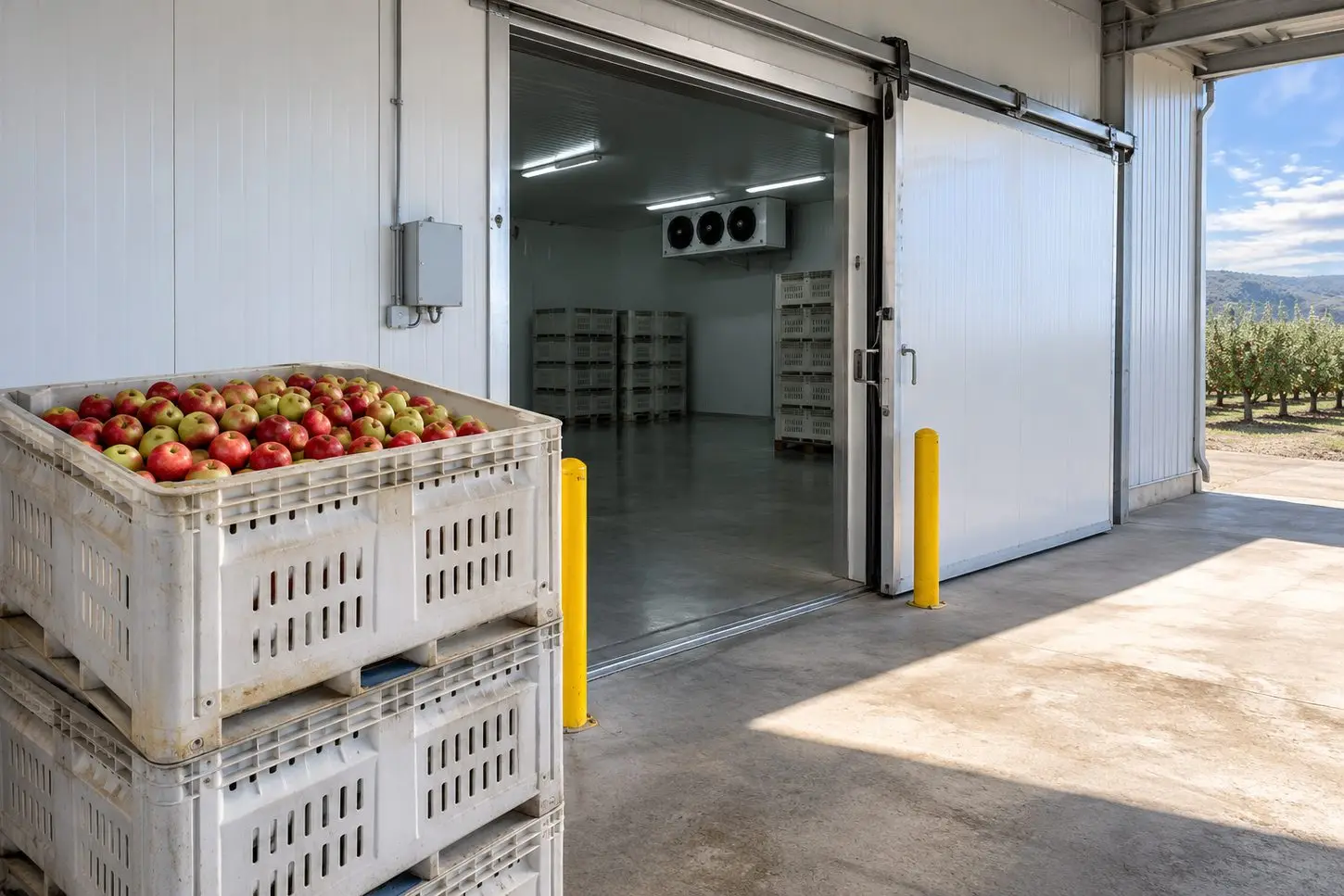
An open loading bay can change a bin’s exposure over the course of a shift. Images are AI-generated illustrations.
A greengrocer opens a delivery and finds pale green shoulders on potatoes in the top tray. The grower remembers sound tubers going into the bin. Both observations can be true. To find out what happened, follow the potatoes through the shed, delivery bay and shop, including the hours when nobody was handling them.
What the green patch tells you
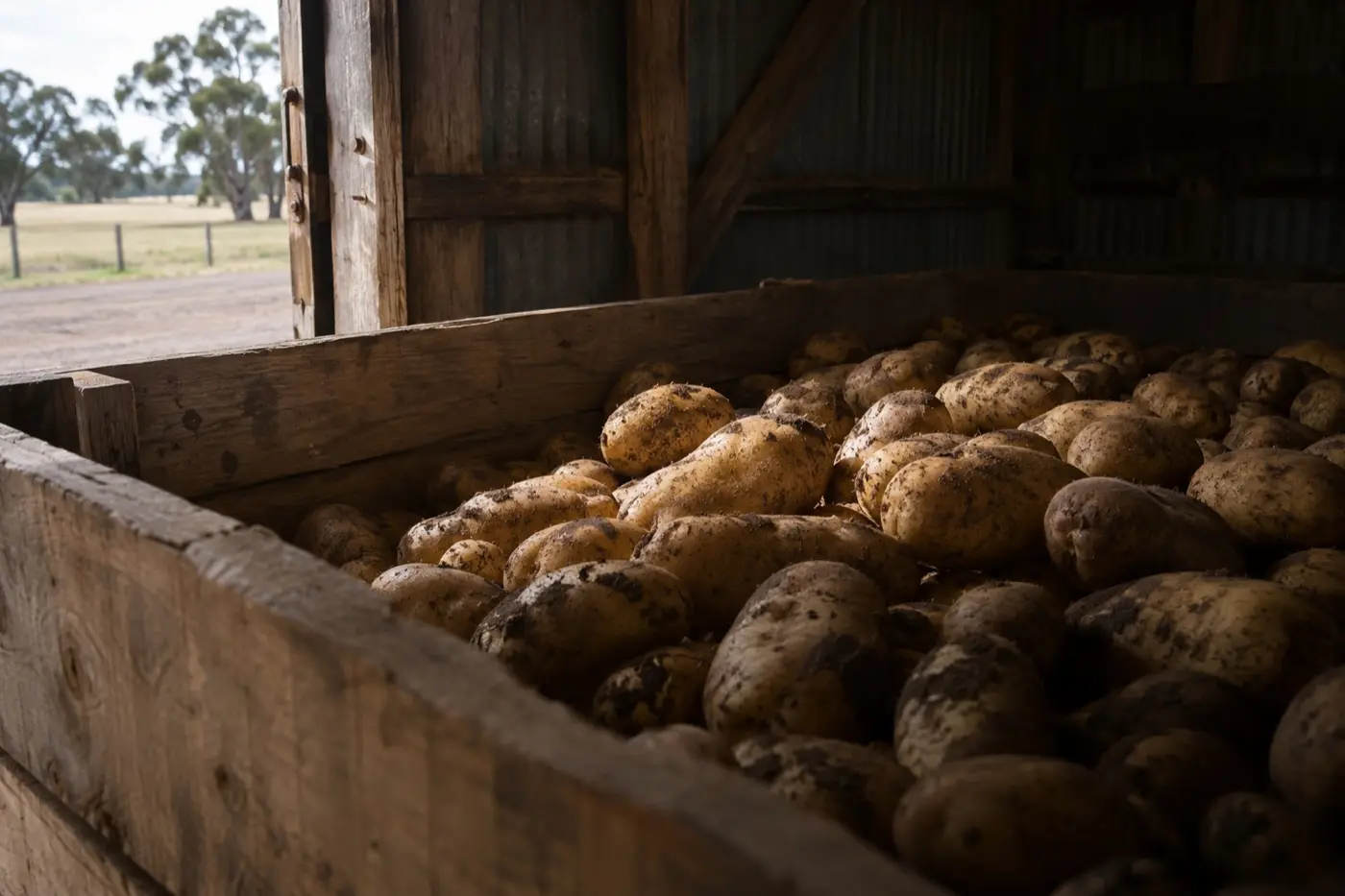
Light prompts a potato to make chlorophyll near the skin. Chlorophyll gives the green colour. Exposure can also be associated with an increase in naturally occurring glycoalkaloids, which can be harmful at elevated levels. The shade of green cannot tell a packer how much is present. Variety, maturity and exposure conditions all affect how readily greening becomes visible.
Hold suspect stock out of sale and have the responsible person assess the affected lot under the business’s food-safety and quality procedures. Keep its delivery reference and take a photograph before disturbing the pattern. A worker can report what they found without guessing at the cause or tasting the product.

Follow the light through a normal working day
Start with the position of the affected potatoes. Green shoulders concentrated at the top of a bin are a lead to investigate. They do not establish that the last person to handle the bin caused the problem. Tubers can be exposed before lifting, while waiting for packing, under artificial lights or on display.
Walk the route at the time the lot usually moves. A bay that is shaded during the morning inspection may catch afternoon sun through a roller door. At the shop, look at how much reserve stock spends the night beneath display lights. Ask about stock that remains on display through several top-ups. Check the packing date and retain the link to the field if greening was visible at intake.

Change the exposure and check the next delivery
Store reserve potatoes in a dark, suitably ventilated area. Keep the amount on open display in line with sales, rotate older stock forward and use suitable light-blocking packaging or covers where appropriate. Avoid trading light protection for poor ventilation. Agree who will move or cover a bin if loading is delayed.
At the next delivery, compare the condition at receipt with the same lot later on display. Those two observations give the grower and retailer a much better conversation than a photograph of a loose potato after the lot has been mixed.