Is this onion ready for storage? Start at the neck
• Hari Yellina

A shed needs an airflow path through the load for consistent drying. Images are AI-generated illustrations.
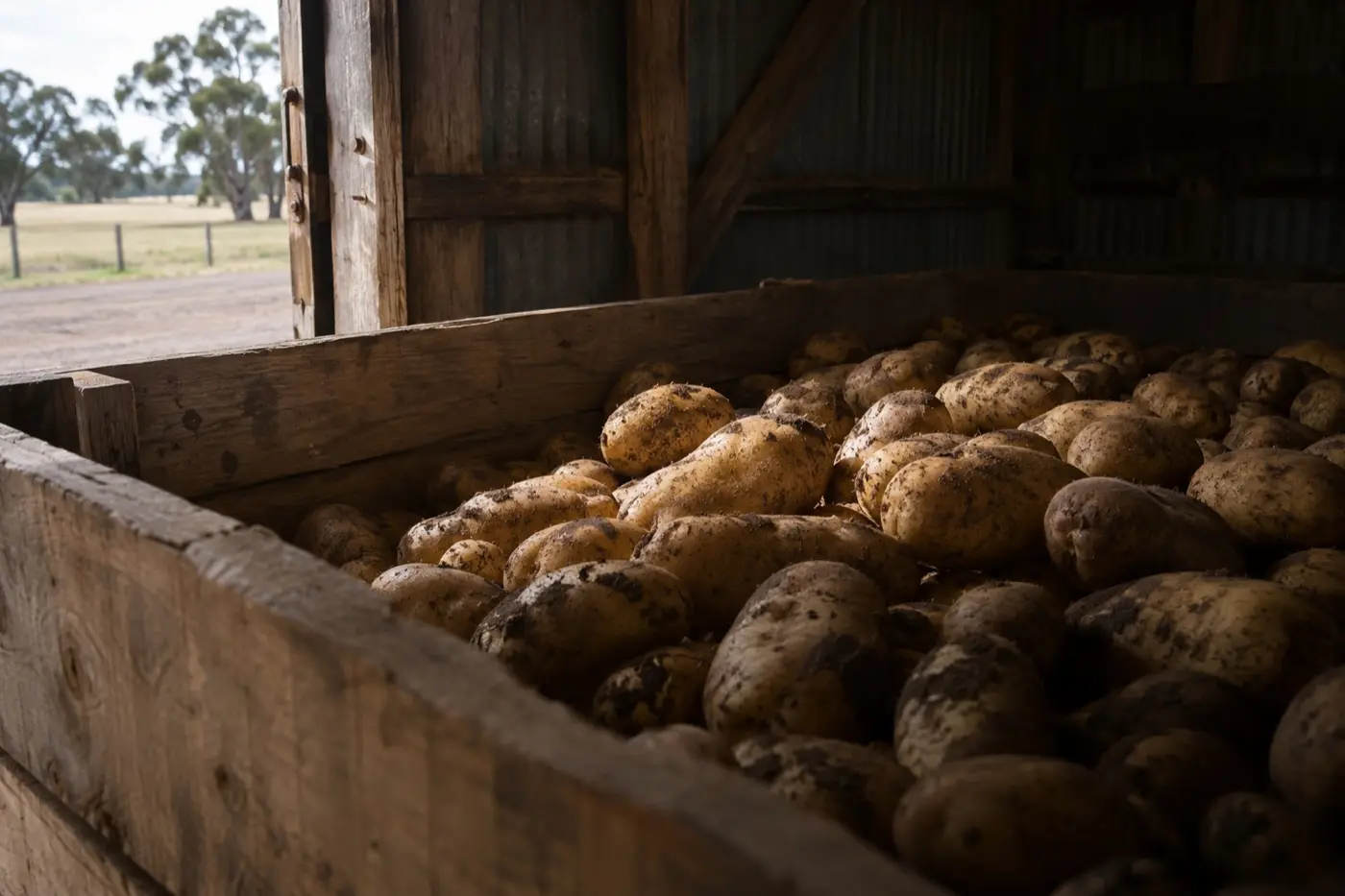
Two bins of brown onions arrive from the same paddock. Both rustle when the grader tips a handful onto the bench. Bulbs from the first bin have thin, dry necks. Several from the second are still green and thick at the top. The store has space for both, but sending them into the same long-term stack would erase a useful distinction.
Read the neck as well as the skin
Curing dries the neck and outer layers of a mature bulb onion. The dry outer scales protect the bulb, while a well-dried neck reduces the risk of decay entering or developing in storage. For dry storage onions, UC Davis describes the field-dry stage as a neck that feels dry right through and has lost its slippery feel. A crisp rustle is one clue. Pick up the bulb and check the neck as well.
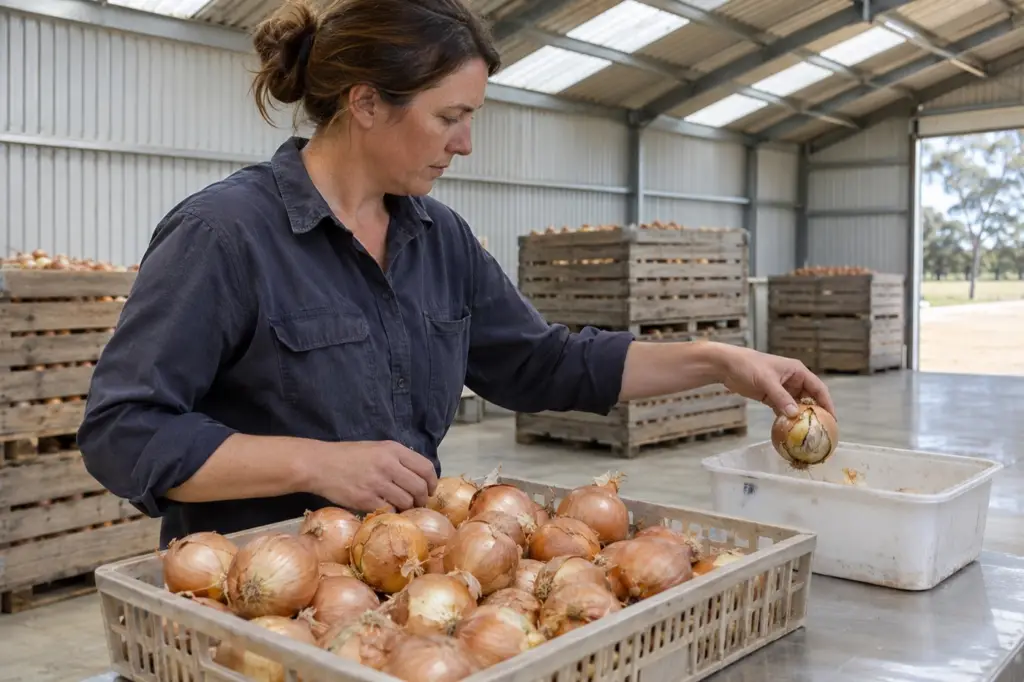
Choose samples from several accessible parts of the lot as bins are handled normally. Look for sound, firm bulbs with intact skins and dry necks. Separate visibly split, bruised, soft or decaying bulbs from sound stock for assessment. Flag thick-necked bulbs to the supervisor before the lot is assigned a storage period.

Find out which part of the load is drying slowly
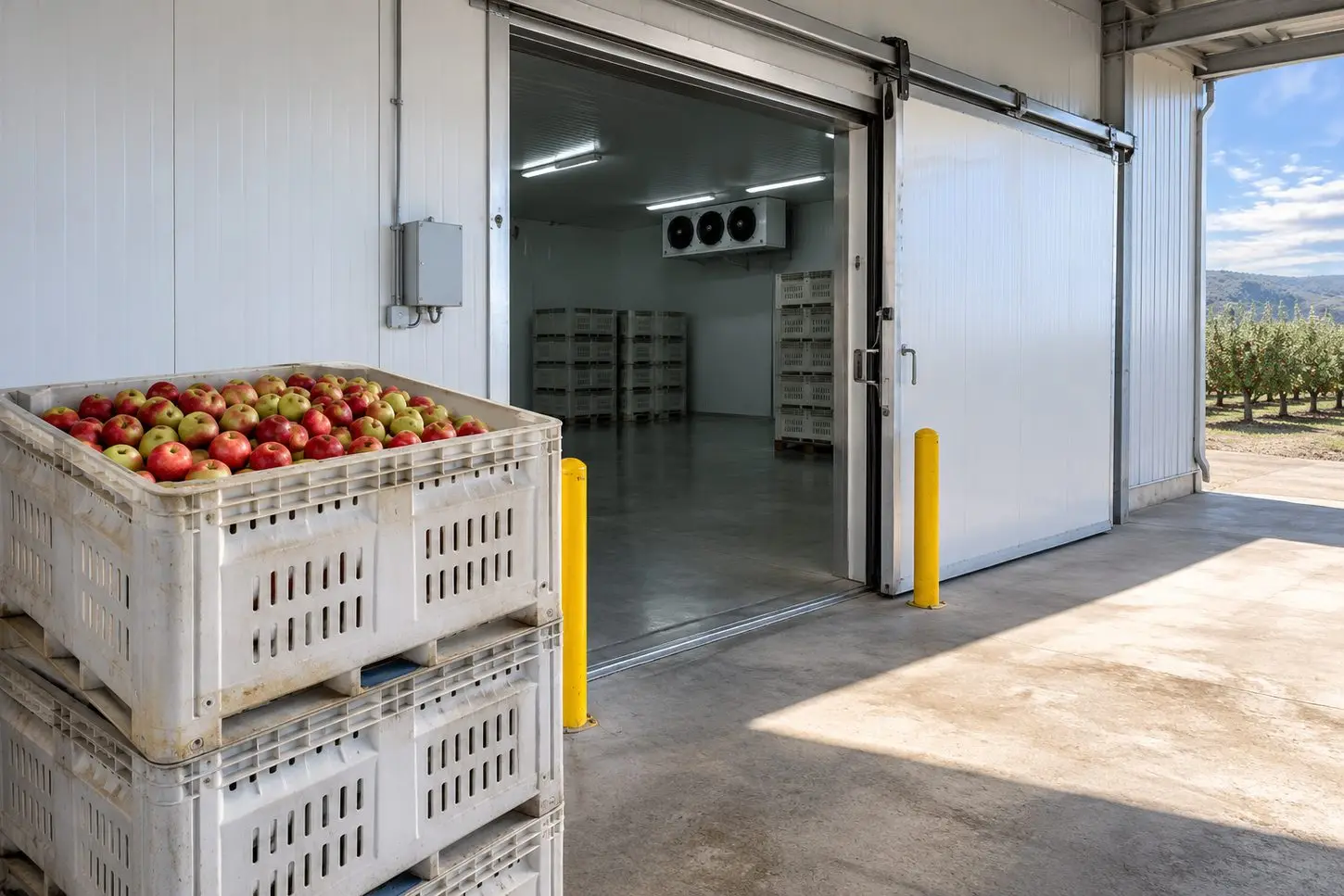
Ask how the crop came in. The NSW onion growing guide notes that green tops, weeds and damaged material mixed through harvested bins can add moisture and make curing less effective. Also check that the bins and their placement suit the shed’s curing system. Air passing an open aisle gives little information about conditions in the middle of a dense load.
Field curing and forced-air shed curing are both used in Australia. Weather and region matter. The NSW guide identifies summer heat and sunburn risk as reasons the Riverina cannot always rely on field curing. Use the grower’s curing plan for the variety, weather and equipment. A set number of days copied from another shed can miss a damp pocket.
Keep the doubtful bin identifiable
Give the second bin its own location and record what the crew found. The supervisor can arrange more curing for suitable sound bulbs, reassessment, or a shorter marketing window if specifications allow. Decaying bulbs belong in the rejection process. Further drying cannot repair a damaged bulb.
At handover, identify which bins are cleared for long storage, which need a return inspection and who will make that decision. A short note about damp necks in one paddock section can prevent an entire mixed stack needing to be pulled down later.