Young Workers on Farms: Plan Supervision Before Their First Summer Shift
• Hari Yellina
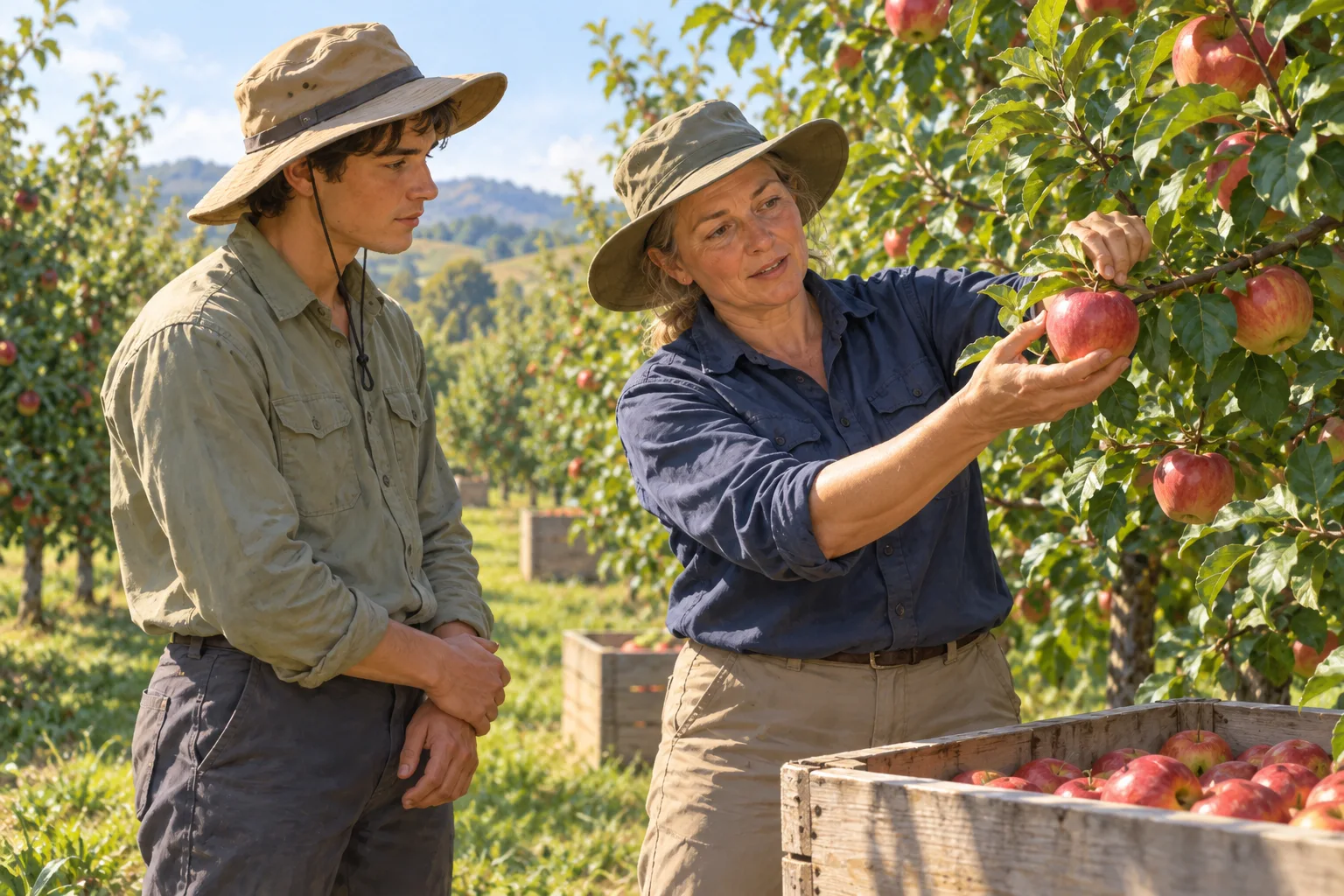
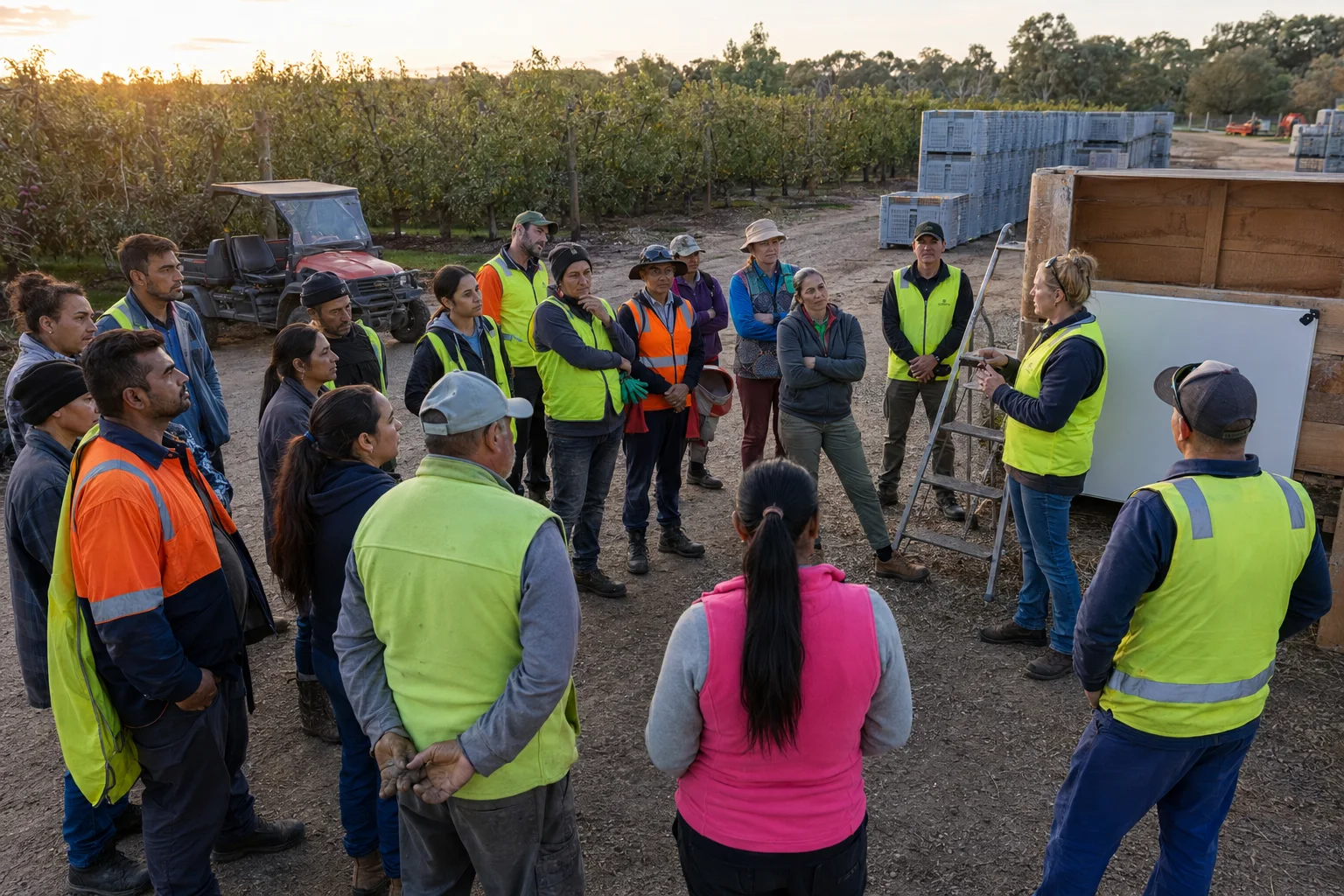
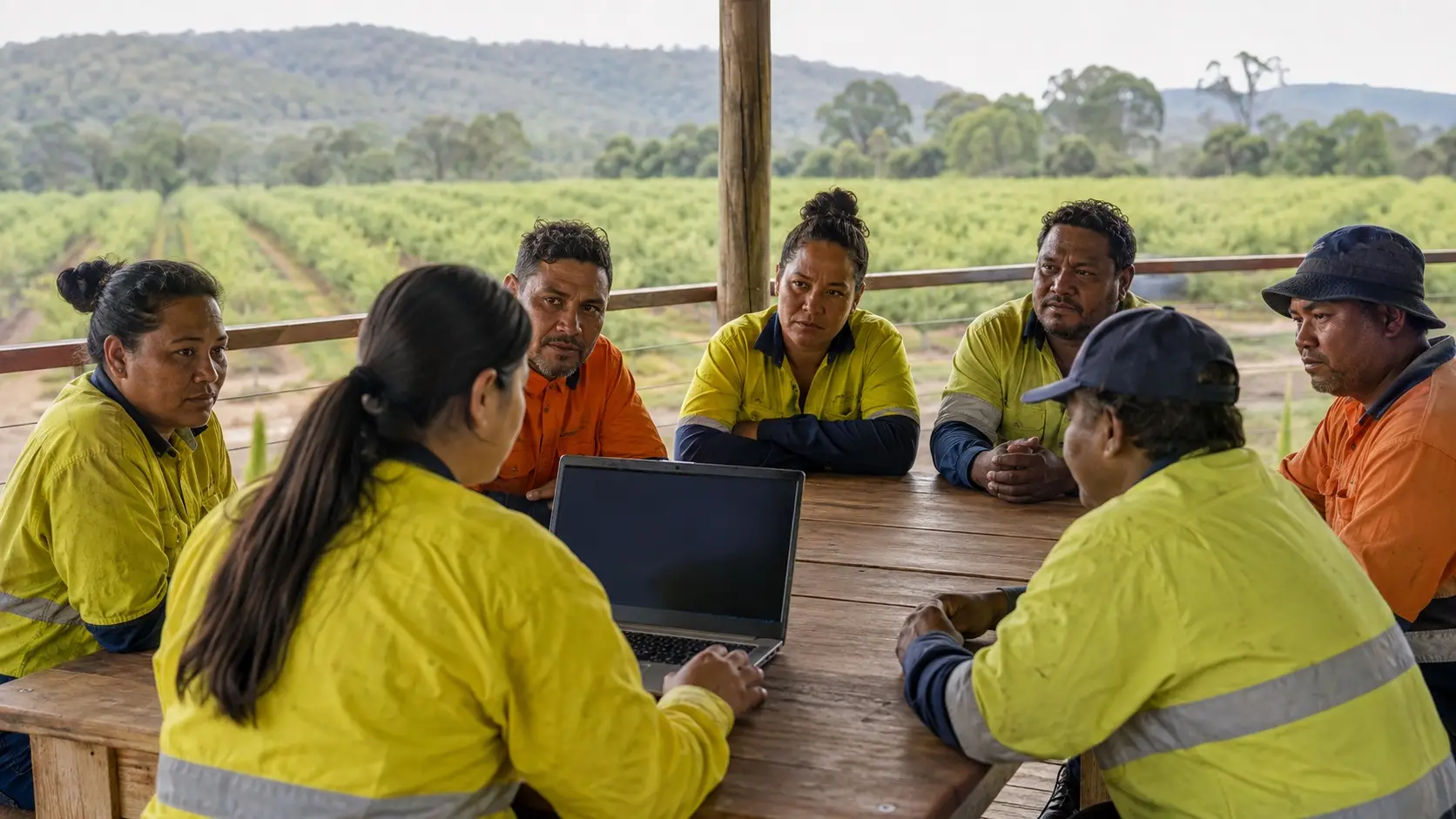
A young worker may follow a demonstration carefully and still hesitate to ask for help once the crew starts moving. Before the first summer shift, decide who will notice that hesitation and who has time to respond.
Good supervision needs to be part of the work plan, with a named person, clear task boundaries and a reliable way to ask questions.
Match training to the person and the task
WorkSafe Victoria’s employer tip cards address workers aged 15–24. They recommend adapting instruction to cultural, literacy and learning needs, checking understanding and recognising that a new task can introduce unfamiliar hazards even when someone has previous work experience.
Children under 15 fall under a separate Victorian child-employment regime. An employer usually needs a licence, even for voluntary work, and must check permitted work, age, supervision, hours and consent before offering a task. A parent or guardian employing their own child in the family business has a licence exemption, but the child still needs appropriate supervision, light work and protection of school attendance. The 15–24 tip cards do not replace these checks.
At the farm, that means demonstrating the actual task in its actual setting. Ask the worker to explain what they will do if something differs from the demonstration. “Do you understand?” alone may produce agreement without revealing the uncertainty.
Write down the boundaries of the first assignment
A proposed first-shift brief can answer four questions: what work is assigned, what work is outside the assignment, who supervises it and how to get help. Keep it short enough to discuss at the work area.
For example, a hypothetical new picker may be assigned a ground-level task. Make clear who can authorise a change and what should happen if fruit is out of reach. Do not leave the worker to infer that they should copy a more experienced person using different equipment.
This is a supervision guide, not a determination that a particular young person can lawfully undertake every farm job. Check age restrictions, required licences and task-specific requirements separately before assigning work.
Give the supervisor capacity to supervise
WorkSafe describes effective supervision as monitoring work and conditions, correcting unsafe practices and being available for questions. It also makes clear that a buddy does not replace the supervisor’s daily responsibility.
Look at the proposed roster. If the nominated supervisor will be elsewhere for part of the shift, identify the competent cover and explain the handover. Do the same for breaks and transport between blocks. A name on a form is not a working arrangement if the person cannot be reached.
Check again after the initial demonstration
Plan a conversation after the first period of work and whenever the task or location changes. Ask what was unclear, what was harder than expected and whether the worker knew whom to contact. Listen for problems with the instructions or equipment as well as the person’s technique.
Respond constructively when someone stops to ask. A supervisor who says questions are welcome but reacts impatiently can undermine the message. Explain the corrected method and check it in practice.
Use the wider farm induction to introduce reporting and emergency arrangements, then make the first-shift supervision plan specific to the young worker’s actual assignment.
About the author
Hari Yellina is Chief Executive Officer at Orchard Tech. His articles cover agricultural workforce planning and practical workplace responsibilities.
Sources checked 26 October 2026. General information; apply current requirements to the actual workplace and circumstances. Featured image: AI-generated illustration of a fictional scene.