Before sending payroll evidence to DEWR, check the attachment itself
• Hari Yellina

Begin with the specific information DEWR requested. Images are AI-generated illustrations.
A relationship manager asks for evidence about a wage deduction. Payroll exports the right period, writes a short covering email and attaches a report. The report also contains a tax file number on its final page. The wage figures may be exactly what was requested, but the complete export is the wrong document to send.
Work backwards from the request
In its 9 and 23 November 2026 updates, DEWR instructed employers not to supply workers’ tax file numbers for PALM scheme processes. The OAIC explains that only specified recipients can obtain and use TFN information for authorised purposes. A payroll team’s reason for holding a TFN does not give every recipient a reason to receive it. Identify the particular worker, period, payment or deduction the request concerns.
Choose a smaller record first
If the request can be met by generating a report limited to the necessary fields, start there. Check that it still shows enough to explain the payment. A row containing an amount but no pay period is unlikely to help. If using an existing document, make a working copy, keep the original in its proper record system and carry out permanent redaction on the copy.
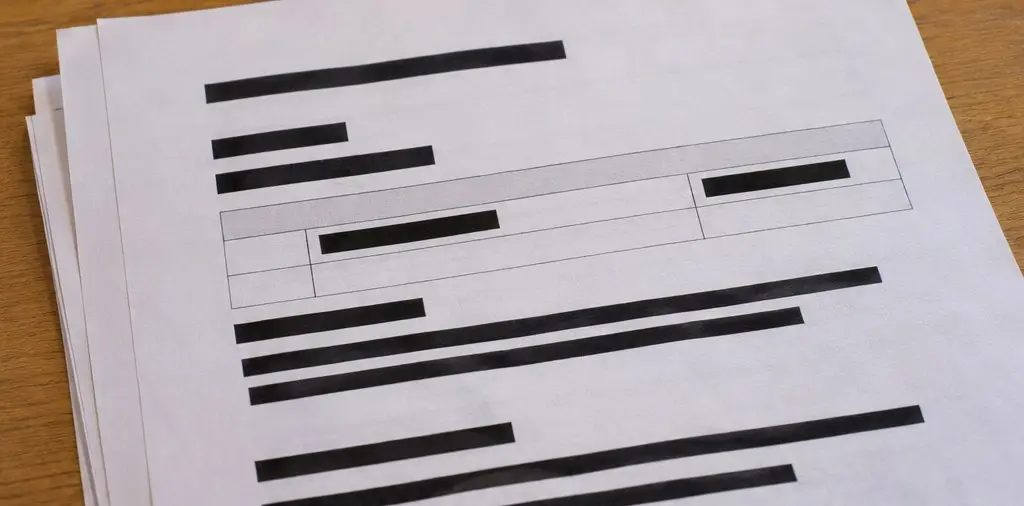
Open the file that is about to leave
Inspect page headers, footers, continuation pages and attachments. In a workbook, hidden columns, tabs or comments may contain information outside the request. A black shape placed over text can leave the original selectable beneath it. Use a genuine redaction or clean export method. Reopen the final copy and check visually and, where relevant, by selecting or searching the underlying text. Ask a second authorised person to check a difficult file without circulating it more widely.

If the wrong copy has gone
Contact DEWR promptly through the established official channel and identify the submission and attachment without repeating the TFN. Ask how to handle the file already sent and how to supply a corrected copy. Follow the organisation’s privacy incident process and assess any further obligations. Keep a record of when the issue was discovered, what was sent, who was contacted and the response. A corrected attachment on its own does not recall the first one.