China has made it clear that they are serious about building a fake food business rapidly. The world’s largest importer of animal-based protein is quickly implementing President Xi JinPing’s direction to accelerate the development of alternative proteins. Last month, President Xi directed his agriculture authorities to seek protein sources other than traditional animal businesses in order to ensure the country’s food supply. Since its pig industries were ravaged by an African swine fever outbreak, China has been forced to rely on outside markets, especially Australian suppliers, to obtain enough meat. Given the immense scale of the local market, China’s new love for fake foods has piqued the interest of global developers of these items.
“The forum aims to bring together stakeholders (academics, regulatory agencies, business groups, and so on) from across the area of cellular agriculture to develop a China-focused industrial platform, setting the framework for future concerted efforts in fostering public acceptability in the Chinese market.” Cultivated meat was included in the Ministry of Agriculture and Rural Affairs’ 14th Five-Year Plan, which was made public by President Xi. “The Chinese government has already shown a constructive stance toward this new technology,” the forum was told. The China Meat Research Center and the China Meat Association were also represented at the meeting. Cultivated meat entrepreneurs from China were invited to the summit to “recognise the urgent necessity for the sector to come together and work as a group to promote and develop their products.”
CellX founder Ziliang Yang remarked, “I believe the discussion today is a terrific beginning point for more partnerships between enterprises within China and overseas players interested in entering China.” CellX is a Shanghai-based cellular agriculture firm. Aleph Farms, APAC Society for Cellular Agriculture, Aleph Farms, BlueNalu, IntegriCulture Inc., Mission Barns, Mosa Meat, Shiok Meats, SuperMeat, TurtleTree Labs, UPSIDE Foods, Merck KGaA, and the Japan Association for Cellular Agriculture were among the international companies and organisations represented at the forum. Cellular agriculture, according to the forum, can reduce the usage of energy, water, and arable area for food production. Despite the trade war between Australia and China, China’s demand for our red meat exports is increasing.
Exports of Australian cattle, lamb, and mutton to China remain strong. During the 13th National Committee of the Chinese People’s Political Consultative Conference on March 6, China President Xi JinPing spoke at length about food security. To ensure food security and conserve the environment, he asked his officials to produce plant-based, fermented, and cell-cultured animal protein in addition to traditional food sources. Science and technology, according to President Xi, are critical to food security. He emphasised the necessity of keeping the country fed and stressed the importance of securing the availability of essential agricultural items, particularly grain.
Related articles
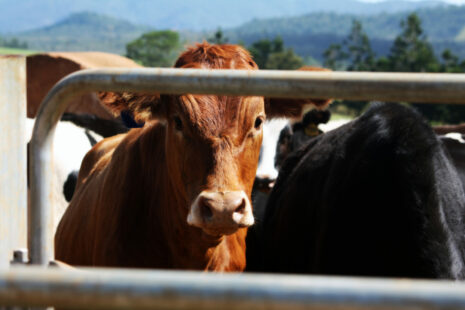
Darwin live cattle exports to Vietnam in April 2022
April 2022 market report. The figures, price expectations and trading conditions below refer to the period covered by ABC Rural’s 28 April 2022 report. The first live cattle shipment of 2022 from Darwin to Vietnam left East Arm in April. At the time, exporters expected a difficult year for the trade. In 2021, the number […]
Read more →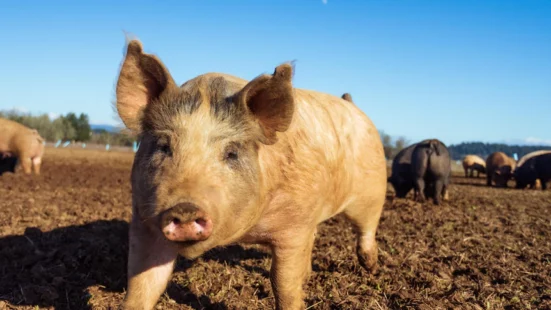
Japanese encephalitis and pork safety in the 2022 NSW outbreak
Japanese encephalitis cannot be caught by eating pork or pork products. People can become infected through bites from infected mosquitoes. NSW Health explains how to protect yourself and who should consider vaccination. What NSW Health reported in March 2022 On 11 March 2022, NSW Health announced its fifth confirmed case at that point in the […]
Read more →