
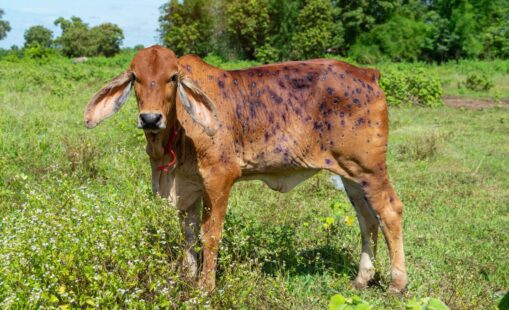
Cattle producers have praised the decision to establish a pipeline for the import of live lumpy skin virus, which will provide CSIRO with everything it requires to research and validate effective vaccinations and diagnostics. Minister for Agriculture David Littleproud stated that the importation would assist Australia in ensuring that the industry has the best possible vaccination protection for emergency use, as well as a well-developed national diagnostic ability for early diagnosis. He has requested a review of the proposed import process and compliance measures by the Inspector-General of Biosecurity.
“Lumpy skin disease is a devastating disease that affects cattle and water buffalo, and it has the potential to cause significant animal welfare and economic losses,” he said. At the time of the April 2022 announcement, lumpy skin disease had not occurred in Australia; the new outbreak of concern was in Indonesia. Markus Rathsmann, president of the Cattle Council of Australia, said the decision demonstrated that there was no time to waste. “Now that the virus has arrived in Indonesia, it poses a huge threat to our Australian beef industry,” he added, adding that the virus can be spread by biting insects carried by monsoonal winds. “It’s critical that we work toward developing an mRNA vaccine since it avoids the risk of infection that standard vaccinations do.”
In April 2022, Australia’s then Chief Veterinary Officer, Dr Mark Schipp, described efforts to vaccinate about 83,000 cattle in Riau province, Sumatra, Indonesia. He also discussed a separate visit to an affected dairy farm in Singapore, where individual cattle could receive close support. He warned that comparable care would be harder on extensive Australian cattle properties.
“If this sickness spreads to Australia, it will shut down our most vital international markets.” “Our greatest hope of keeping it out is to assist our Indonesian neighbours in controlling their outbreak.” Not only will the creation of a new vaccine and diagnostic system benefit us, but it will also benefit cattle producers all over the world. “Importing live virus is our greatest option for preparing and protecting Australia, and we haven’t made this decision lightly. Only the live virus would be kept under rigorous confinement at our world-class Australian Centre for Disease Preparedness.”
Related articles
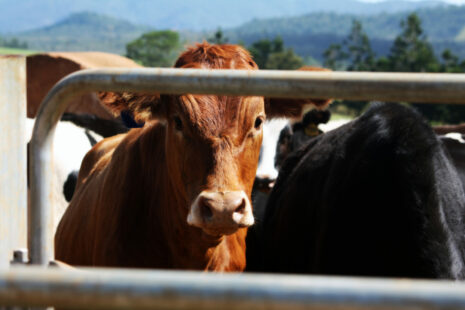
Live cattle exports to Vietnam slowed down
The first live cattle shipment from Darwin to Vietnam left East Arm this week, kicking off what is expected to be another difficult year for trade to Vietnam. In 2021, the number of cattle transported from Australia to Vietnam nearly halved, to 160,000, compared to nearly 300,000 in 2020. According to live shippers and industry […]
Read more →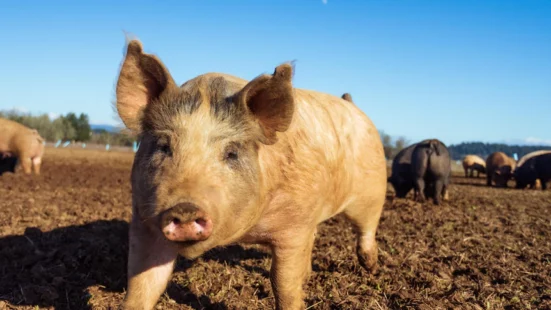
Is pork safe to eat currently?
To avoid the spread of the possibly fatal Japanese encephalitis virus, pig farmers are being vaccinated, and abattoirs have intensified their spraying efforts. Five people in New South Wales have tested positive for the mosquito-borne sickness, and a 70-year-old Griffith man died from it last month. The newest confirmed case in the state — and […]
Read more →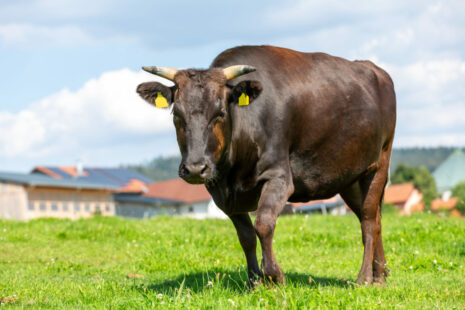
Wagyu pioneers solely focused on growth currently
The owner of the world’s largest privately held Wagyu herd is planning more investments in the Japanese cattle variant, including a $100 million purchase of two new Northern Territory stations. After his first tasting of Wagyu steak, Peter Hughes felt introducing Wagyu genetics into his livestock was the way to go. “I thought to myself, […]
Read more →