A strawberry punnet tips into the row. What goes back on the picking trolley?
• Hari Yellina
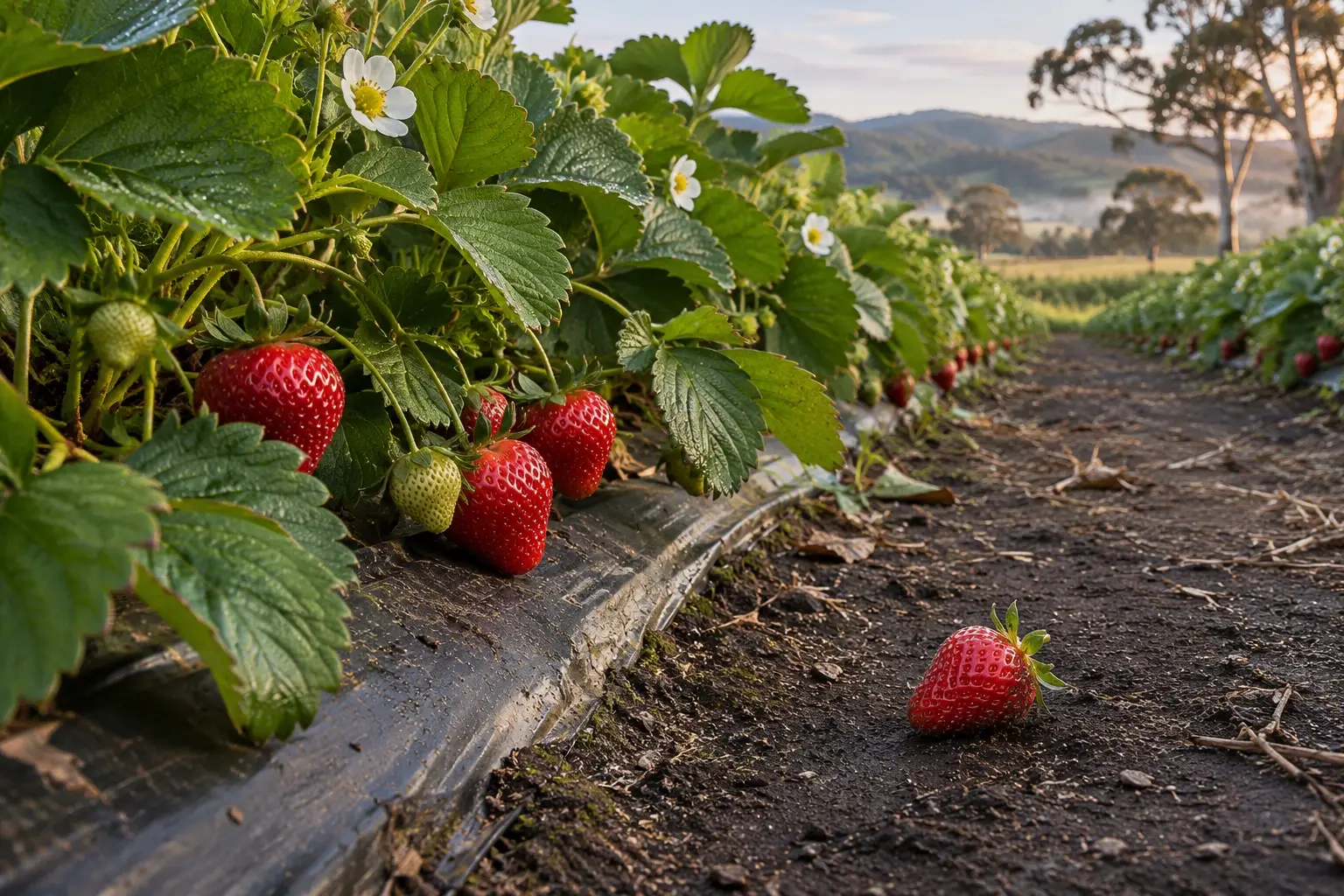
A picker reaches for another strawberry and knocks a retail punnet off the trolley. Half the fruit lands in the path. The rest stays in the punnet, which is now on its side. With the delivery truck due, someone suggests picking out the visibly dirty berries and carrying on. A clear field-packing instruction should settle this before the first spill.
Three things to deal with
The fruit. Keep berries that have landed on the ground out of the saleable pick. Follow the farm’s rejection and disposal procedure. Raw strawberries may go straight from a punnet to someone’s lunch. Brushing off visible dirt does not establish that fruit exposed to the path is safe to eat.
The packaging. Set the fallen punnet aside with any fruit still in it for the supervisor to deal with under the site procedure. Give the picker a clean replacement. A used punnet that has touched the ground should not be slipped back into the stack of clean packaging.
The rest of the tray. Identify any neighbouring fruit or contact surfaces that may have been affected. Keep those items separate pending assessment. Show the picker where to wash their hands and how the trolley is cleaned before handling the next saleable punnet.
What the national standard asks of the business
Food Standards Australia New Zealand explains that Standard 4.2.7 applies to berry growers and primary processors, including businesses that pack berries. It covers hygiene, production inputs, business notification and traceability. The spill response above is a practical field instruction for managing contamination on a berry farm.
At the next briefing, use an empty punnet to demonstrate a spill. Ask a new starter to point to the reject location, clean packaging and handwashing point. If one is missing from that part of the field, fix the setup before the trolley moves on.
Sources
Sources checked 24 November 2026. Image is an AI-generated illustration.