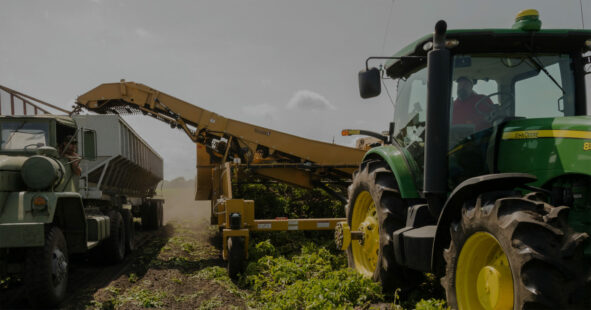
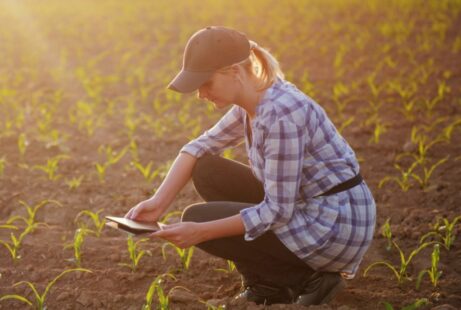
When one imagines a farmer in australia or an agricultural corporate leader, chances are that the picture is that of a man. This is because the majority of people around boardroom table in agriculture are still men, as is the typical stereotype of a farmer. Women’s farm work was often overlooked in business records and official registers. In a 2024 ABC history based on interviews with rural women, participants described the 1990s campaign to be recognised and identify themselves as farmers. Furthermore, this acknowledgment as a farmer or a leader in agriculture did not happen overnight. In fact, it has taken decades for women to ever get a seat at the boardroom table and there is still a long way to go until women are equally represented.
Opening up opportunities for women in agriculture supports gender equity and a broader pool of skills and leadership. ABARES’ February 2015 information sheet, drawing on the 2011 Census, reported that women represented 31 per cent of employees in the agriculture industry as defined in that publication. That is a dated workforce measure; it does not establish that gender imbalance caused environmental damage or a decline in trade.
The government needs to initiate structural changes that encourage agricultural organisations and agribusinesses to prioritise women’s involvement at all levels. While Australia’s agricultural industry still has a way to go in achieving gender equity, it is happening.
Greater recognition and opportunity can help make agriculture a better industry for future generations.
Related Articles

Positive Outlook for Agriculture in 2021
Grains and fertiliser producers are expected to post a strong performance in 2021, while wool producers will struggle. Following severe drought conditions over much of the prior three-year period, greater rainfall levels in key growing areas have improved crop yields. The expected level of output in 2020-21 is a near-record, second only to the highs […]
Read More →
High Technology Opportunities in Urban Australia
HIGH TECHNOLOGY OPPORTUNITIES IN URBAN AUSTRALIA High-tech horticulture is being used in metropolitan locations around the world for a variety of reasons, including economic development. Community involvement and environmental advantages are two things that come to mind when thinking about this project. Vertical farm systems, container farms, and other similar systems are now being witnessed […]
Read More →