Floods, Storms and Interrupted Harvests: PALM Employer Responsibilities
Updated • Hari Yellina
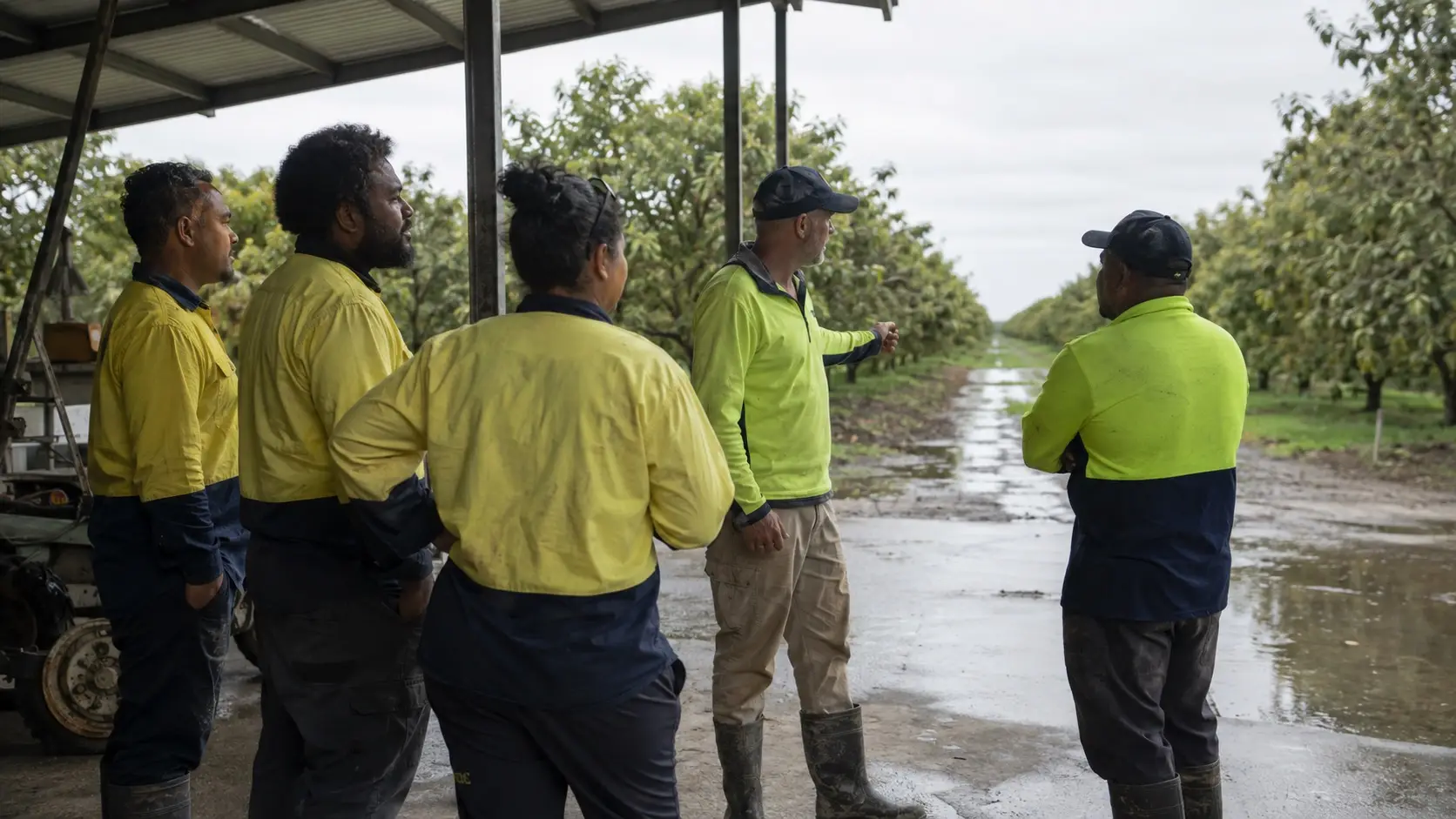
Reviewed 6 September 2026. When flooding or severe weather interrupts a harvest, the first questions are practical: is everyone safe, can workers reach their accommodation, and what happens to the next shift? PALM employers also need to assess their notification and worker-support obligations.
DEWR’s 3 August PALM newsletter reminded employers about force majeure arrangements. This is a reminder about existing provisions, not a new automatic exemption for bad weather.
Bad weather does not automatically suspend obligations
A force majeure event is a qualifying event beyond an employer’s control. A flood may qualify, but an ordinary wet day or a change in harvest demand should not simply be labelled force majeure to avoid obligations.
The official PALM force-majeure factsheet explains that DEWR may temporarily suspend particular obligations where the deed’s requirements are met. Employers must continue reasonable mitigation measures. Seeking relief does not itself establish that relief has been granted.
Notify DEWR and keep the information current
Section 13.5 of the current PALM Approved Employer Guidelines requires relevant matters likely to constitute force majeure to be reported through departmental IT systems as soon as possible, within 24 hours of awareness, where the deed’s notification obligation applies.
The notice should explain the event and likely duration, affected obligations, proposed workarounds and worker assistance, plus relevant government directions or emergency arrangements. Employers must keep DEWR informed as the situation develops. Use the current guidelines and your executed deed when assessing the particular event.
A practical weather-disruption checklist
The following planning suggestions can help farm supervisors and labour-hire teams coordinate their response:
- Check people and access routes. Establish where workers are and whether transport or accommodation is affected. Do not send people through floodwater to assess a worksite. Call 000 for an emergency.
- Agree one communication point. Tell workers who will provide updates and when the next update is expected, including when there is still no confirmed restart time.
- Record the operational impact. Keep a dated summary of cancelled tasks, affected shifts, access restrictions and relevant warnings. Distinguish observations from forecasts.
- Consider safe alternatives. Identify other suitable tasks or placements, subject to required skills, safety checks and any applicable placement approvals. Do not promise alternative work before it is confirmed.
- Plan worker support. Review transport, accommodation, food access and communication needs. Allocate an owner to each follow-up action.
- Reassess before restarting. Check access, ground conditions, equipment and supervision rather than treating the end of rainfall as proof the worksite is ready.
Do not assume a PALM decision settles pay or safety duties
A request about scheme obligations is not a blanket permission to stop wages, change deductions or bypass workplace safety requirements. Check the employment arrangements, applicable workplace law and the scope of any departmental decision separately. Obtain advice where the position is uncertain.
For broader preparation, see our orchard workforce harvest checklist. Workers can use the Worker Portal for non-emergency alerts, but a photo or message there does not replace the company’s formal notifications or site assessment.
Sources: DEWR, PALM scheme update, 3 August 2026; PALM force-majeure factsheet; Approved Employer Guidelines version 2.1, section 13.5, linked above. The older factsheet’s screen instructions may differ from the September 2026 AE Portal rollout: follow current departmental prompts. General information, not advice about a particular event.
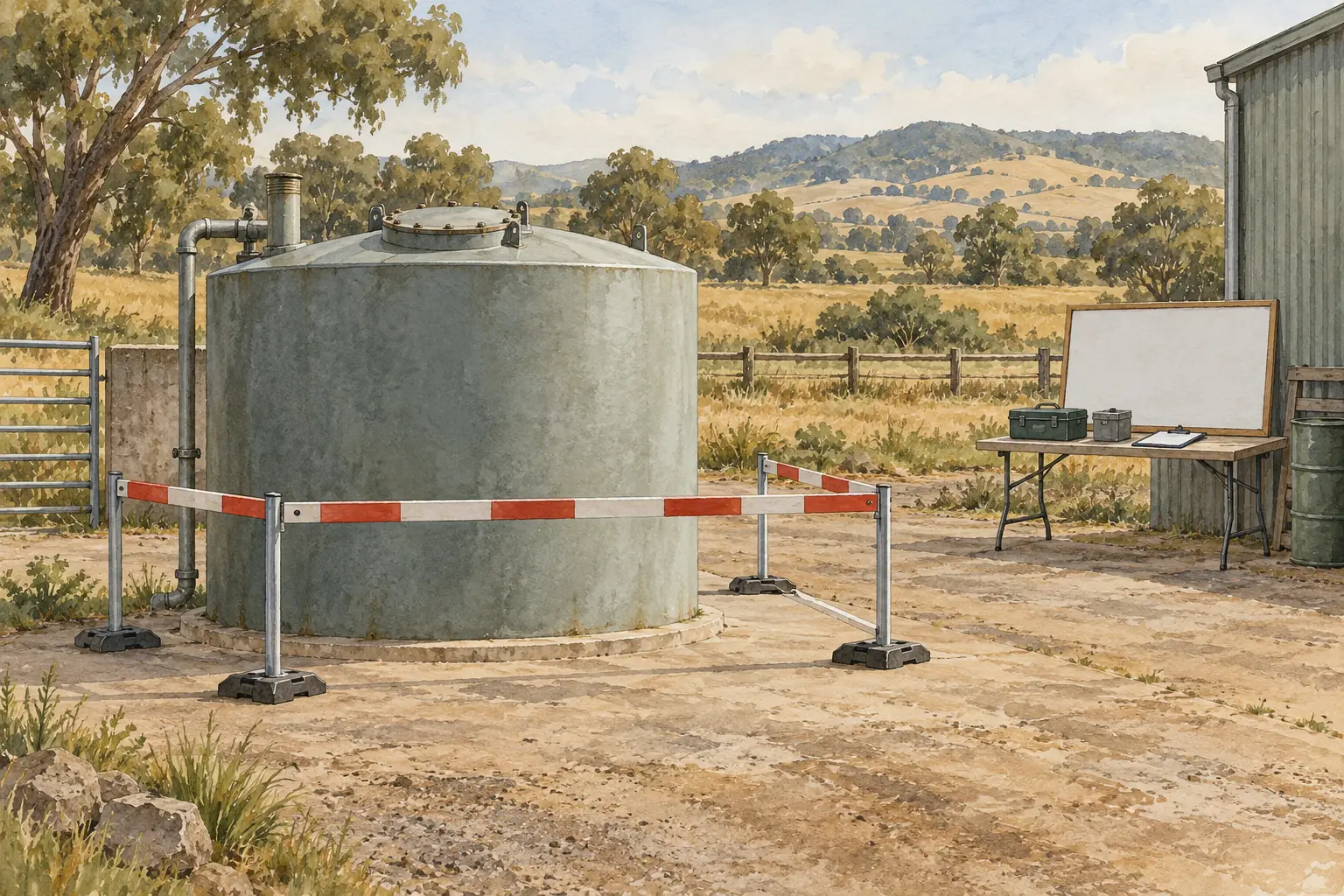
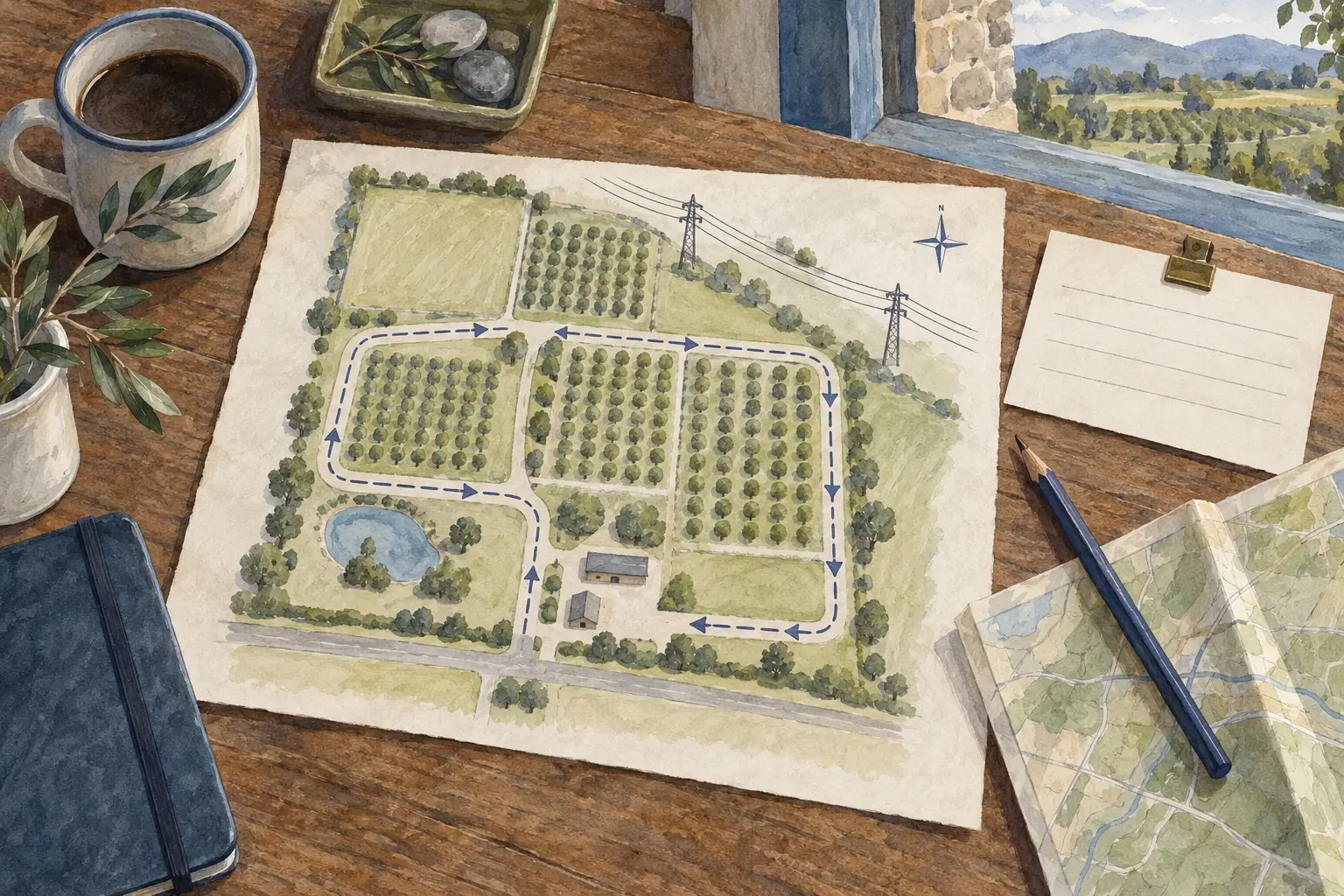
Featured image: AI-generated editorial illustration, not a photograph of an actual Orchard Tech worksite or weather event.
About the author
Hari Yellina is Chief Executive Officer at Orchard Tech. View his profile and more articles.