Locust Hatchings in the Mallee: What Farm Crews Should Report This Spring
• Hari Yellina
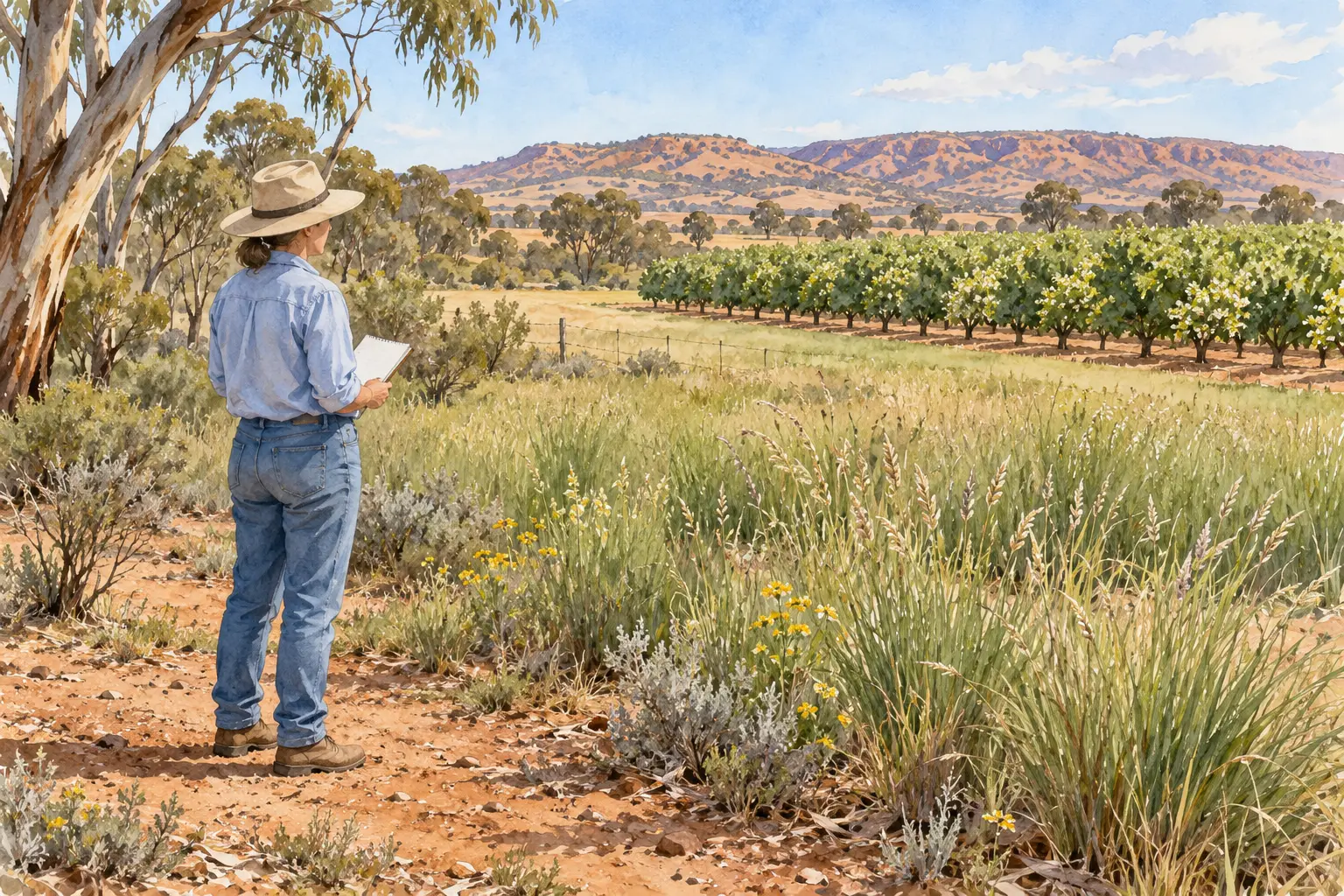
A worker spots insects near the edge of a block, mentions them at lunch, and the description reaches the farm manager without a location. The observation may matter, but the manager now has to reconstruct where it happened. A simple reporting arrangement can make Mallee locust monitoring more useful during spring work.
What the current regional update says
In its 8 October 2026 update, Agriculture Victoria reported locust hatchings detected in the Mallee during September, with insects at different stages and further hatchings possible. Surveillance was extending into higher-risk Wimmera areas, including West Wimmera, Yarriambiack and Hindmarsh.
The department says land managers are responsible for monitoring and control on their properties. That regional update does not establish that a particular orchard is infested. It provides a reason to agree how observations from people already working outdoors will reach the person managing the land.
Agree on one useful observation handover
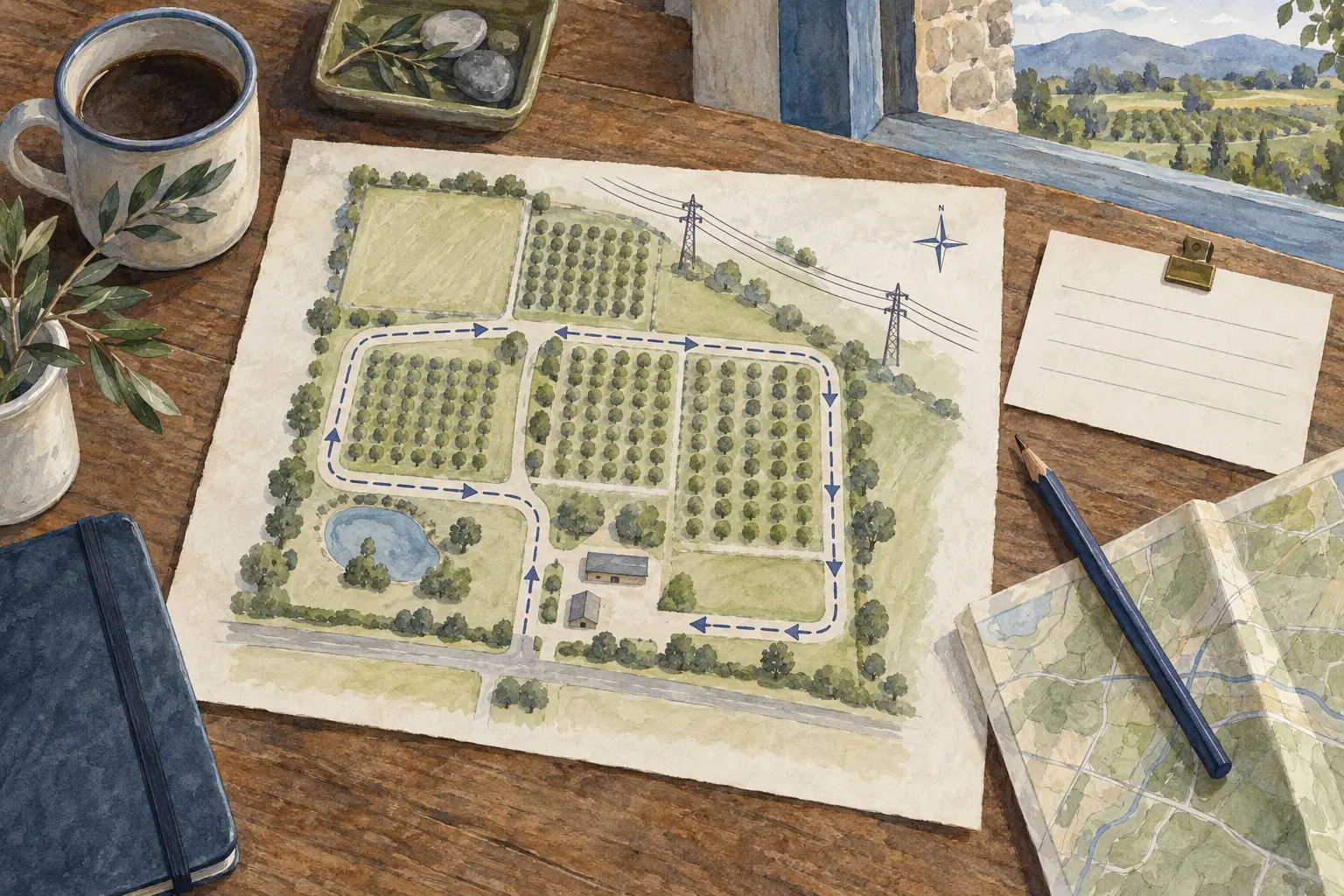
Before the shift, tell the crew whom to contact and how to identify the place. A block name used by permanent staff may mean little to a new seasonal worker. Show the worker the site map or agreed location labels during induction, and make sure the receiving supervisor understands the same labels.
For an observation, a practical record can include:
- The farm and block or recognisable location.
- The date and approximate time.
- What was seen, described in ordinary words without guessing the species.
- A photograph, if it can be taken safely and the farm permits it.
- The name of the person who received the report and any instruction returned.
This is a suggested crew communication method, not an official pest survey protocol. A worker should not leave their assigned safe area or interrupt a hazardous task to obtain a closer photograph. If the location cannot be recorded immediately, pass the observation on and ask the supervisor to clarify it.
Keep monitoring separate from treatment
A supervisor’s acknowledgement should say what happens next: for example, that the report has gone to the land manager for assessment. Avoid turning a casual sighting into an instruction for a worker to handle chemicals or decide whether treatment is required. Follow the manager’s authorised plan and current Agriculture Victoria advice.
If control work changes access to a block, explain the access arrangements to incoming crews. Our sprayed-block re-entry guide covers the separate task of passing authorised re-entry instructions to workers. A message about locusts is not itself clearance to enter a treated area.
Close the loop before the next crew arrives
In a hypothetical handover, an afternoon crew reports insects near a named irrigation crossing. The supervisor records the location and alerts the manager. The morning coordinator then receives the manager’s current instructions before allocating the block. The useful improvement is that the observation remains attached to a place and a decision-maker.
Review the latest official updates as the season develops. For crews moving between farms, retain the normal biosecurity arrangements as well; an observation record does not replace them.
Sources and further reading
Official sources checked on 14 October 2026. Practical examples are hypothetical.
About the author
Hari Yellina is Chief Executive Officer at Orchard Tech. His articles explain practical workforce planning for Australian agricultural businesses.
AI-generated illustration of a fictional observation scene; it does not show a verified locust outbreak.