
Purple ‘Greens’ the New Normal in Australia?
Updated • Hari Yellina
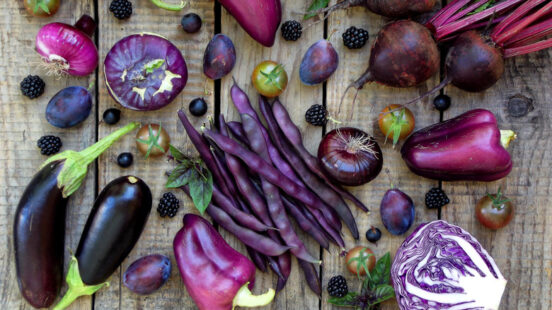
It seems that Australia is heading towards a colourful palette. In recent times, coloured vegetables are taking over the fresh markets. For instance, Australians have been enjoying the aesthetic eggplants, beetroots and cabbages. Now adding to this selection, producers have also introduced purple cauliflower, carrots and broccoli. These purple ‘greens’ are now available in supermarkets and fresh markets. In fact, in 2011 and 2012, Coles had introduced purple and orange cauliflowers. However, consumers were not ready to eat their greens in such a drastic colour. Therefore, they had to be pulled off the shelves.
However, currently, supermarkets have restocked them and they are really starting to fly off the shelves. Since 2019, shoppers have really started to enjoy these coloured delicacies. Coles, a famous franchise in Australia, has introduced a hoard of purple greens over the years. They include purple asparagus, purple basil, micro herbs, kale and red Brussels sprouts. Contrary to popular belief, the colour of these greens is completely natural. They have not been dyed or tampered with in order to create the hue.
Purple vegetables add colour and variety to meals. Colour alone is not a reliable ranking of a food’s nutritional value.
Purple vegetables as part of a varied diet
A varied diet containing vegetables, fruit and wholegrains can help lower the risk of some cancers. No single food prevents cancer, and purple vegetables should not be described as a cancer-prevention treatment. Cancer Council Queensland explains the evidence on eating well.
Related Articles
Organic Spinach a Winner in Australia
Archive article. This article describes the period originally reported. It is not a current market, recruitment, health or regulatory update. For newer reading, visit the Orchard Tech Knowledge Centre and check the relevant official sources before acting. While growers appreciate rain, it may often be excessive. Additionally, rain is viewed as a godsend in a […]
Read More →