
Why Australian Vegetable Growers Still Face a Cost Squeeze
Updated • Hari Yellina

Reviewed 26 October 2026. A larger value for Australia’s vegetable crop does not automatically mean better returns for the grower. The cost of getting produce into the ground, harvested and delivered can rise at the same time.
What the latest figures say
Hort Innovation’s Australian Horticulture Statistics Handbook 2024/25 records 3.78 million tonnes of vegetable production for the year ending June 2025, slightly below the previous year’s 3.84 million tonnes. The value of production rose from about $5.71 billion to $6.03 billion. Those are sector totals, not a measure of the profit earned by any individual farm.
In May 2026, industry body AUSVEG reported findings from a survey of almost 200 growers. Its respondents reported sharp increases in diesel, fertiliser and freight costs, and some had reduced or were reconsidering planting. The survey describes the growers who responded; its percentages should not be read as a census of every Australian vegetable farm.
Why higher crop value can still leave a tight margin
A grower commits to seed, water, fertiliser, equipment, labour and transport before knowing the final sale price or marketable yield. A higher average value per tonne can coexist with higher costs per tonne. Weather, produce quality and the timing of harvest can change the result again. These pressures differ by crop, growing system, contract and region.
For example, a hypothetical farm that budgets labour for a full harvest but loses part of its crop to weather will spread much of that labour cost across fewer saleable cartons. The practical question is whether the current crop plan still works when yield, input prices or the harvest window move away from the original budget.
Plan the crew alongside the crop
Before planting or booking a seasonal crew, growers can check expected harvest volume against accommodation, transport, induction, supervision and safe equipment capacity. They can revisit the labour forecast as crop estimates change and tell their labour provider early when a harvest window moves. That helps avoid a last-minute shortage or bringing workers in before useful work is ready.
Cost pressure does not change workers’ minimum entitlements. The Fair Work Ombudsman’s horticulture pay and piece rates guidance explains that a Horticulture Award pieceworker has a minimum wage guarantee for each day worked, and the applicable rate depends on classification and employment type. Use the current award and pay tools when setting budgets rather than carrying forward a rate from an old article.
For employers using labour hire, Orchard Tech’s employer information is a starting point for discussing crew requirements. A useful first conversation covers the work, location, likely dates, supervision and any skills or equipment needed.
The useful measure
Industry production value is a useful sign of scale, but each farm needs its own crop-level budget and actual cost records. Compare the expected return with current input quotes and the real work needed to harvest safely. Recheck that comparison when conditions change.
Sources checked 26 October 2026: Hort Innovation, Australian Horticulture Statistics Handbook 2024/25; AUSVEG, 26 May 2026 grower survey; Fair Work Ombudsman, Pay and piece rates.
Hari Yellina is Chief Executive Officer at Orchard Tech.
Related Articles
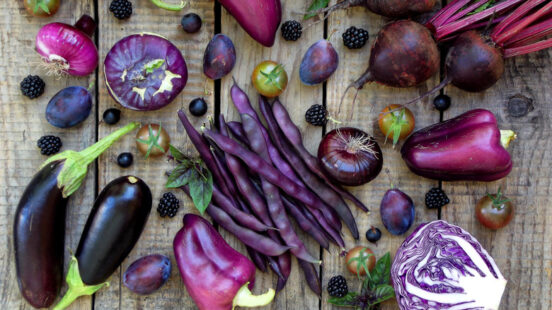
Purple ‘Greens’ the New Normal in Australia?
It seems that Australia is heading towards a colourful palette. In recent times, coloured vegetables are taking over the fresh markets. For instance, Australians have been enjoying the aesthetic eggplants, beetroots and cabbages. Now adding to this selection, producers have also introduced purple cauliflower, carrots and broccoli. These purple ‘greens’ are now available in supermarkets […]
Read More →
Organic Spinach a Winner in Australia
Archive article. This article describes the period originally reported. It is not a current market, recruitment, health or regulatory update. For newer reading, visit the Orchard Tech Knowledge Centre and check the relevant official sources before acting. While growers appreciate rain, it may often be excessive. Additionally, rain is viewed as a godsend in a […]
Read More →