
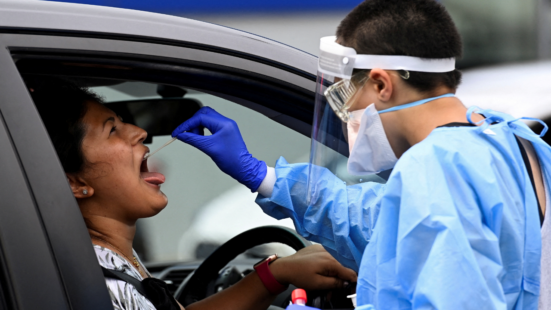
As the Omicron subvariant takes hold, the number of new coronavirus cases in New South Wales has increased significantly compared to last week. On Thursday, a stark 24,803 new cases were reported in the state. A total of eight deaths have been reported. Currently, 1180 people are being treated for the virus in hospitals, with 43 of them in intensive care. The state had slightly over 20,000 new cases of the virus at the same time previous week. The Omicron subvariant BA.2, which has caused a new generation of infections across the country, has been blamed for the recent surge in cases. According to NSW Health, “the Omicron variant (B.1.1.529) is currently the prevalent COVID-19 variant of concern circulating in the NSW community.”
“Both main Omicron sub-lineages (BA.1 and BA.2) are circulating in NSW, with BA.2’s share growing in recent weeks.” Queensland health officials attributed a 15% increase in case numbers in the last week to the rapid spread of the BA.2 variant among young individuals, while Victorian health officials observed the subvariant was showing up in half of the state’s wastewater tests last week. Victoria has also seen an increase in cases, with over 10,000 new infections recorded for two days in a row. The 2 variations are affecting the majority of capital cities.
“After we lifted limitations, infection rates continued to drop, so (the increase in cases) is not because we eased limits; it’s because BA.2 is now circulating,” she explained. “With the increase in cases that we’re witnessing all across the world, this variation is quickly becoming the most prevalent.” However, the good news is that death rates are continuing to fall over the world. “We’re fighting to keep these highly contagious varieties from spreading, but we’re thankfully not experiencing the same consequences in terms of the number of individuals who end up in hospitals.” “People are still becoming ill as a result of this, and people are dying as a result of these variants, so we must continue to do everything we can to slow the spread of the virus so that those who are more vulnerable can continue to breathe easily.”
Related Articles
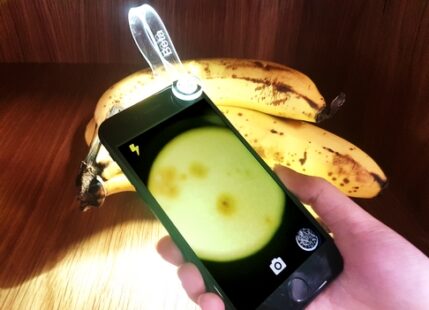
Revolutionary Innovative Device Detects Food Spoilage
Can a $1 mobile phone accessory turn into a crucial tool to address the $1 trillion food waste problem? Yes, according to GoMicro CEO and founder Dr. Sivam Krish, with the help of the Spotcheck App and a phone-attachable magnifier created for precisely determining the degree of ripeness or rotting of fresh goods. In his […]
Read More →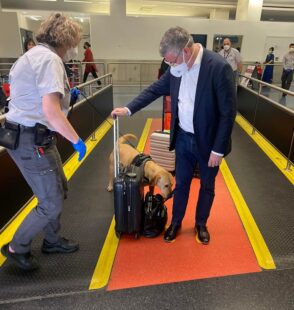
Foot-and-Mouth Disease: Traveller and Farm Biosecurity
Last verified: 29 August 2026. Australia remains free from foot-and-mouth disease (FMD), but travellers, farms and livestock businesses must continue to manage the risk of introducing it. Border and disease settings can change, so use the linked government pages before relying on an instruction. FMD is a highly contagious viral disease of cloven-hoofed animals such […]
Read More →
Japanese Encephalitis and Lumpy Skin Disease in Australia
Status verified: 29 August 2026. Japanese encephalitis virus (JEV) and lumpy skin disease (LSD) are different diseases with different Australian statuses. This page separates them and links to the current government advice. Current Australian status and health implications of Japanese encephalitis virus and lumpy skin disease Disease Current Australian status Main animals affected Human-health point […]
Read More →