
Last verified: 29 August 2026. Australia remains free from foot-and-mouth disease (FMD), but travellers, farms and livestock businesses must continue to manage the risk of introducing it. Border and disease settings can change, so use the linked government pages before relying on an instruction.
FMD is a highly contagious viral disease of cloven-hoofed animals such as cattle, sheep, goats, pigs, buffalo, deer and camelids. An outbreak would create serious animal-welfare, farm-business and trade consequences. It is not the same as hand, foot and mouth disease in people.
The quick answer for travellers
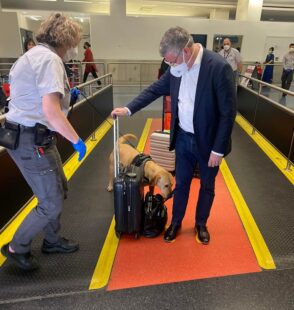
Australian border screening is risk-based. A traveller’s baggage may be screened or inspected, but it is not accurate to promise that every bag will be manually checked. Your obligation is to declare risk goods truthfully, present declared goods when directed and comply with biosecurity officers.
- Before packing, check the Australian Government’s current traveller biosecurity guidance and the import conditions for anything you plan to bring.
- Do not bring meat or dairy products unless the current import conditions allow them. If you are carrying food, animal products, plant material or another risk item, declare it.
- Declare footwear, clothing and equipment that has been used in rural areas, on farms or near animals when the declaration requires it.
- Clean and dry footwear, camping gear, sporting equipment and farm equipment before travelling. Remove all soil, manure, seeds, grass and plant material.
- On arrival, either declare risk goods or place them in a designated disposal bin. Present declared items for inspection and follow every direction from a biosecurity officer.
- If you are unsure whether something must be declared, declare it and let a biosecurity officer decide.
False or misleading declarations and failure to follow a biosecurity officer’s direction can result in serious penalties and may affect a traveller’s visa. Penalty amounts and border processes can change, so do not copy an old dollar figure into travel advice.
What changed after the 2022 Indonesia outbreak?
FMD was detected in Indonesia in May 2022 and later reported in Bali. Australia introduced additional controls, including sanitation foot mats for some arrivals and targeted communications. Those measures were part of a particular response; they were not proof that every traveller’s bag was inspected.
Following a revised risk assessment, the Department of Agriculture, Fisheries and Forestry removed several Indonesia-specific measures from 4 June 2024. Sanitation foot mats and some additional arrival messages were discontinued. Australia’s ordinary strict border controls, detector dogs, X-ray screening, risk profiling, officer questioning and targeted inspection continue. Read the department’s official adjustment notice for the dated history.
The operational rule for a traveller is therefore not “all bags will be checked”. It is “clean, declare, present and comply”.
Extra precautions after overseas farm or animal contact
The Australian Government’s current disease advice for travellers recommends cleaning shoes, clothing and equipment, declaring rural or animal contact as required, and avoiding farms and livestock for the first seven days after arriving in Australia. Check the live page because advice may change with overseas outbreaks and risk assessments.
If you work on or visit an Australian farm:
- tell the farm contact about recent overseas farm, saleyard, abattoir or livestock contact before entering animal areas
- do not take contaminated footwear, clothing, tools, vehicles or equipment onto the property
- use the property’s visitor register, clean/dirty zones and cleaning or disinfection procedure
- follow instructions about parking, access routes, protective clothing and contact with livestock
- do not bring undeclared meat, dairy or other animal products onto a farm.
Farm biosecurity controls
Farms and livestock businesses should use a written, property-specific biosecurity plan. Controls should reflect the species, property layout, people and vehicle movements, feed and livestock sources, contractors, shared equipment and current jurisdictional requirements.
People, vehicles and equipment
- Use clear entry signs and require visitors and contractors to contact the farm before entering livestock areas.
- Keep a visitor and vehicle record that can support tracing.
- Provide a practical way to arrive with clean footwear and equipment and to prevent contamination moving between animal groups.
- Check the origin and cleanliness of shared machinery, livestock transport, animal-handling equipment and tools.
- Explain the farm’s biosecurity rules during induction and make sure workers know how to report unusual signs.
Livestock and inputs
- Buy livestock from reliable sources and retain movement, vendor and health records.
- Inspect new and returning animals and follow any isolation or movement requirements that apply in the jurisdiction.
- Protect feed and water from contamination and manage dead stock, waste and pests appropriately.
- Check current government requirements before moving livestock, animal products or potentially contaminated equipment.
Recognise and report suspect disease
Possible signs of FMD can include fever, drooling, lameness and blisters or erosions around the mouth, tongue, feet or teats. Signs vary by species and may resemble other diseases. Do not wait for certainty and do not move suspect animals.
If FMD or another emergency animal disease is suspected, contact a veterinarian and immediately call the Emergency Animal Disease Hotline on 1800 675 888. Follow the directions of the relevant state or territory authority. The Australian Government’s FMD information provides the current national overview.
Information for Orchard Tech workers and hosts
Ask the host for the property’s induction and access instructions before entering animal areas. Questions about border clearance or import conditions must be directed to the Department of Agriculture, Fisheries and Forestry. Suspected animal disease must be reported to a veterinarian or the Emergency Animal Disease Hotline. Travellers must make truthful declarations, and property owners, workers and visitors must follow the biosecurity requirements and property controls that apply to them.
Raise a placement or site concern through Orchard Tech’s Get in Touch page. For border rules, use the Department of Agriculture, Fisheries and Forestry. For suspect disease, use the emergency hotline rather than a website contact form.
Publisher: Orchard Tech. Primary authorities: Australian Government Department of Agriculture, Fisheries and Forestry and the applicable state or territory agriculture authority. Review by: 30 November 2026, or immediately after a change to Australia’s FMD status, traveller declarations or border controls.
Related Articles
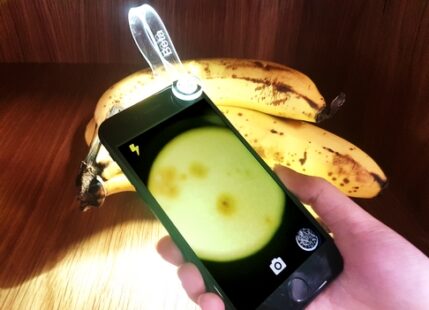
Revolutionary Innovative Device Detects Food Spoilage
Can a $1 mobile phone accessory turn into a crucial tool to address the $1 trillion food waste problem? Yes, according to GoMicro CEO and founder Dr. Sivam Krish, with the help of the Spotcheck App and a phone-attachable magnifier created for precisely determining the degree of ripeness or rotting of fresh goods. In his […]
Read More →
Japanese Encephalitis and Lumpy Skin Disease in Australia
Status verified: 29 August 2026. Japanese encephalitis virus (JEV) and lumpy skin disease (LSD) are different diseases with different Australian statuses. This page separates them and links to the current government advice. Current Australian status and health implications of Japanese encephalitis virus and lumpy skin disease Disease Current Australian status Main animals affected Human-health point […]
Read More →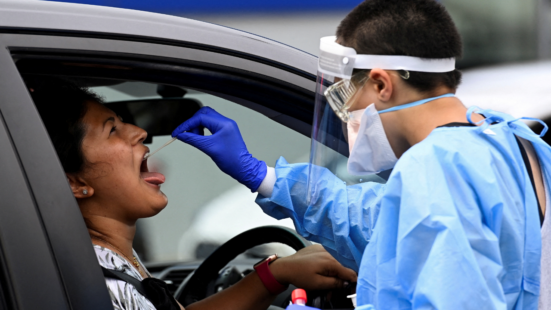
New Variant of COVID Doing the Rounds
Archive article. This article describes the period originally reported. It is not a current market, recruitment, health or regulatory update. For newer reading, visit the Orchard Tech Knowledge Centre and check the relevant official sources before acting. As the Omicron subvariant takes hold, the number of new coronavirus cases in New South Wales has increased […]
Read More →