
All About Chestnuts: A Thorough Overview
Updated • Hari Yellina

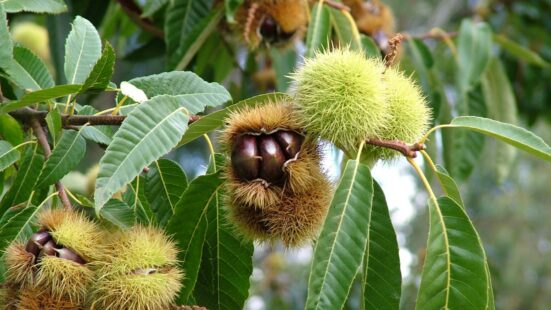
Chestnuts are a popular type of nut that is native to the mountainous forests of Japan, China, Europe and North America. These edible products are not only rich in flavour but are also starchy and sweet. Moreover, these nuts originate from large deciduous trees that bear both male and female flowers. These nuts are mainly known for their tenacity to survive. Even though a pathogen almost wiped out these trees, they have an incredible survival history.
HEALTH BENEFITS OF CHESTNUTS
Chestnuts, contrary to other seeds, are low in calories and fats. However, they are still extremely rich in phytonutrients, minerals and vitamins.
Another feature that is considered unique about these nuts is that they are mostly made up of carbohydrates. Chestnuts nutrition composition is, therefore, comparable to that of other staple starchy foods such as sweet potato, sweet corn, potatoes, and plantain. Nevertheless, they are still good sources of minerals, vitamins and some good-quality protein than cereals and tubers.
They are an excellent source of dietary fibre; provide 8.1 g (about 21% of RDI) per 100 g. Fibre diet helps lower blood cholesterol levels by limiting excess cholesterol absorption in the intestines.
Chestnuts contain vitamin C, but amounts vary with the product and preparation. The Australian adult recommended dietary intake for vitamin C is 45 mg per day. The previous version’s claim that 43 mg represented 72% of the reference intake did not use this Australian adult reference and has been removed.
Again, chestnuts are rich in folates akin to green leafy vegetables, which is quite a rare but unique feature for nuts and seeds. 100 g nuts provide 62 µg of folates (or 15.5%). Folic acid is essential for the formation of red blood cells, and DNA synthesis. Adequate consumption of food rich in folates during the peri-conception period helps prevent neural tube defects in the newborn.
CHESTNUTS IN AUSTRALIA
In 2018–19 chestnut production was valued at $7.8 million (LVP), with exports valued at less than $0.1 million.
Around 1,480 hectares are planted with 275,000 chestnut trees. In 2020, approximately 1,250 tonnes of chestnuts were produced. The outlook reported alongside the 2020 figures projected that additional planting in New South Wales could increase production to approximately 1,500 tonnes, worth $12 million, by 2022. This was a forecast, not a reported 2022 result. The industry is primarily focused on the domestic market with approximately two per cent exported, mainly to Asian markets.
The main varieties grown are Red Spanish, Purton’s Pride and De Coppi Marone. Chestnuts flower during November and December and are harvested from March through to May and are grown primarily in Victoria and New South Wales.
Throughout 2020, Chestnuts Australia participated in the Transition to Management program for chestnut blight, which began in December 2019. This included sitting on the chestnut blight decision-making committees, the CCEPP and the NMG and working specifically with Agriculture Victoria.
The historical industry material summarised here described chestnut gall wasp and chestnut weevil as exotic threats. This is not a current pest-status declaration.
Chestnuts Australia includes biosecurity as an integral part of its activities. Biosecurity is considered in the Australian Chestnut Industry Strategic Blueprint 2030 and is covered by the risk analysis documented in the tree nut industry biosecurity plan. A biosecurity section is maintained in the industry section of the Chestnuts Australia website. The industry has regular representation at PHA meetings and the Australian Government’s Biosecurity Roundtables.
Related Articles
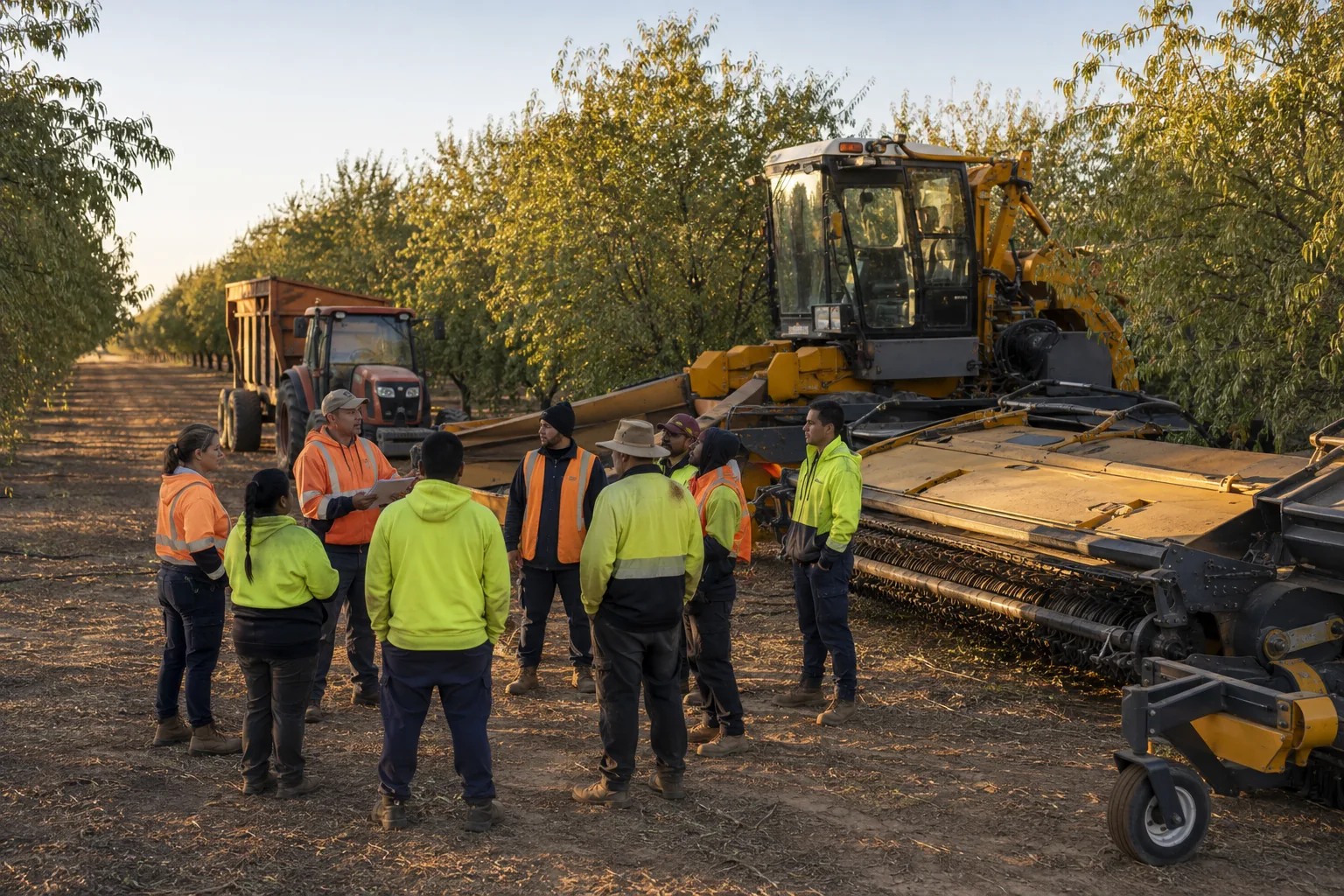
Chestnut Production in Australia
Australia is a country that has a wide variety of nuts that are produced and then exported. Out of these nuts, chestnuts are a type that is favoured by the Australian citizens. Moreover, these nuts are produced in the south of Australia. The majority of the production occurs in Victoria. It is important to note […]
Read More →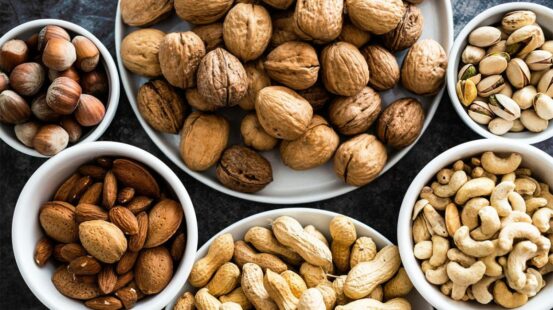
Australia and the Nut Industry: An Overview (2020)
Nuts and seeds are an excellent source of protein, minerals and vitamins. Hence, the Australian Dietary Guidelines recommend that all individuals should include nuts in their everyday diet. Moreover, Australia is a country that focuses on its import and export of nuts. In fact, as of June 2020, approximately 230,225 tonnes of in-shell nuts were […]
Read More →