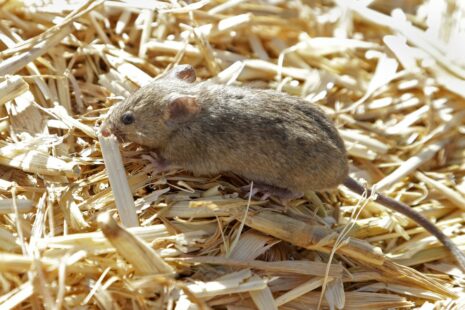
Researchers are now starting to trial the effectiveness of the mouse baits. It is in collaboration with both farmers and baits suppliers. In fact, approximately three research papers were prepared and are soon to be peer-reviewed. After being approved, these papers will be published in scientific journals in an attempt to control further mouse plagues or infestations. The main reason for the delay in publishing is the severity of the mouse plague situation. Infestations were not being properly controlled by the authorities due to a lack of resources and knowledge on mouse baits.
Moreover, in other situations, the mouse bait information would quickly be gathered, examined and then published immediately. However, due to the extreme nature of the current situation, mainly the rising mouse numbers, there was an inevitable delay in the publishing process and the creation of mouse baits. After meeting and communicating with bait producers, Grain Producers Australia, the Australian Pesticides and Veterinary Medicines Authority, and the Grains Research and Development Corporation.
As a result of the findings, GPA went on to form an agreement with mouse bait producers and an application was submitted to the APVMA for an emergency use permit to produce mouse bait with zinc phosphide at a higher dose of 50g/kg. This article’s old permit and supply information is historical and must not be used as current authorisation. Check the APVMA’s current permit and product information before making a bait-use decision.
The laboratory research tested how wild house mice responded to zinc phosphide. Its controlled experimental method was not a procedure for farmers to follow. See the published study, Acute oral toxicity of zinc phosphide: an assessment for wild house mice. Mouse-bait use must follow the applicable registered label, permit conditions and state or territory requirements; check the APVMA guidance for the current position.
Related Articles

Positive Outlook for Agriculture in 2021
Grains and fertiliser producers are expected to post a strong performance in 2021, while wool producers will struggle. Following severe drought conditions over much of the prior three-year period, greater rainfall levels in key growing areas have improved crop yields. The expected level of output in 2020-21 is a near-record, second only to the highs […]
Read More →
High Technology Opportunities in Urban Australia
HIGH TECHNOLOGY OPPORTUNITIES IN URBAN AUSTRALIA High-tech horticulture is being used in metropolitan locations around the world for a variety of reasons, including economic development. Community involvement and environmental advantages are two things that come to mind when thinking about this project. Vertical farm systems, container farms, and other similar systems are now being witnessed […]
Read More →